 Wellspring
Clean Water Is
Just the Beginning.
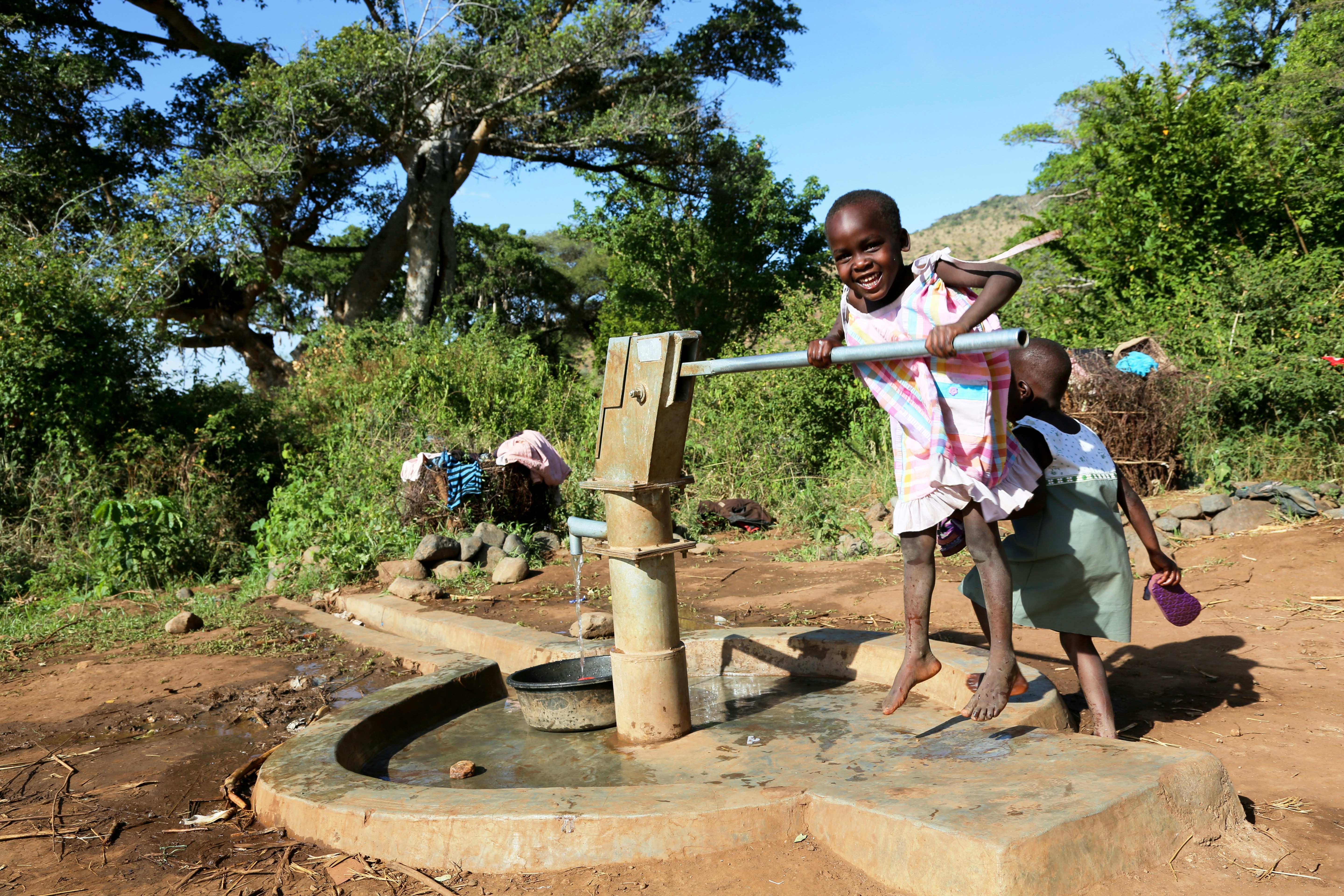
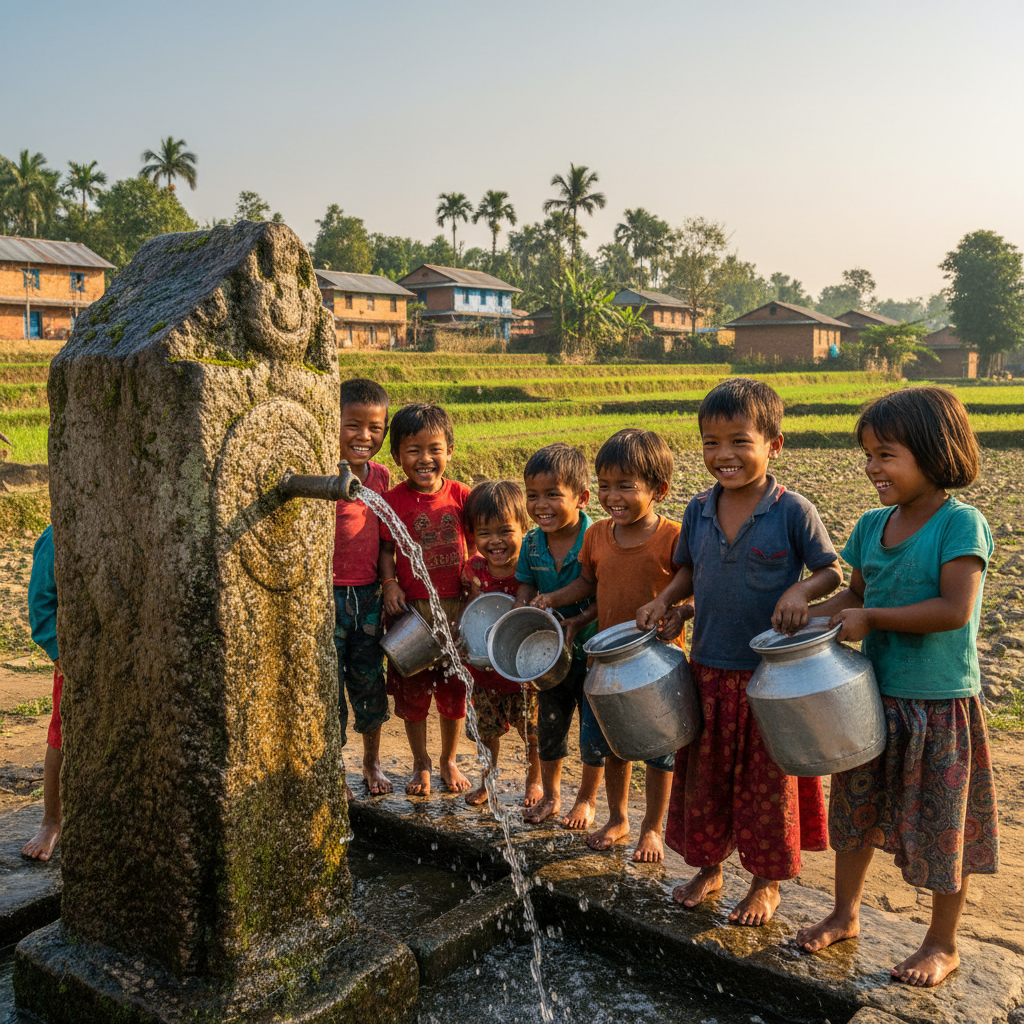
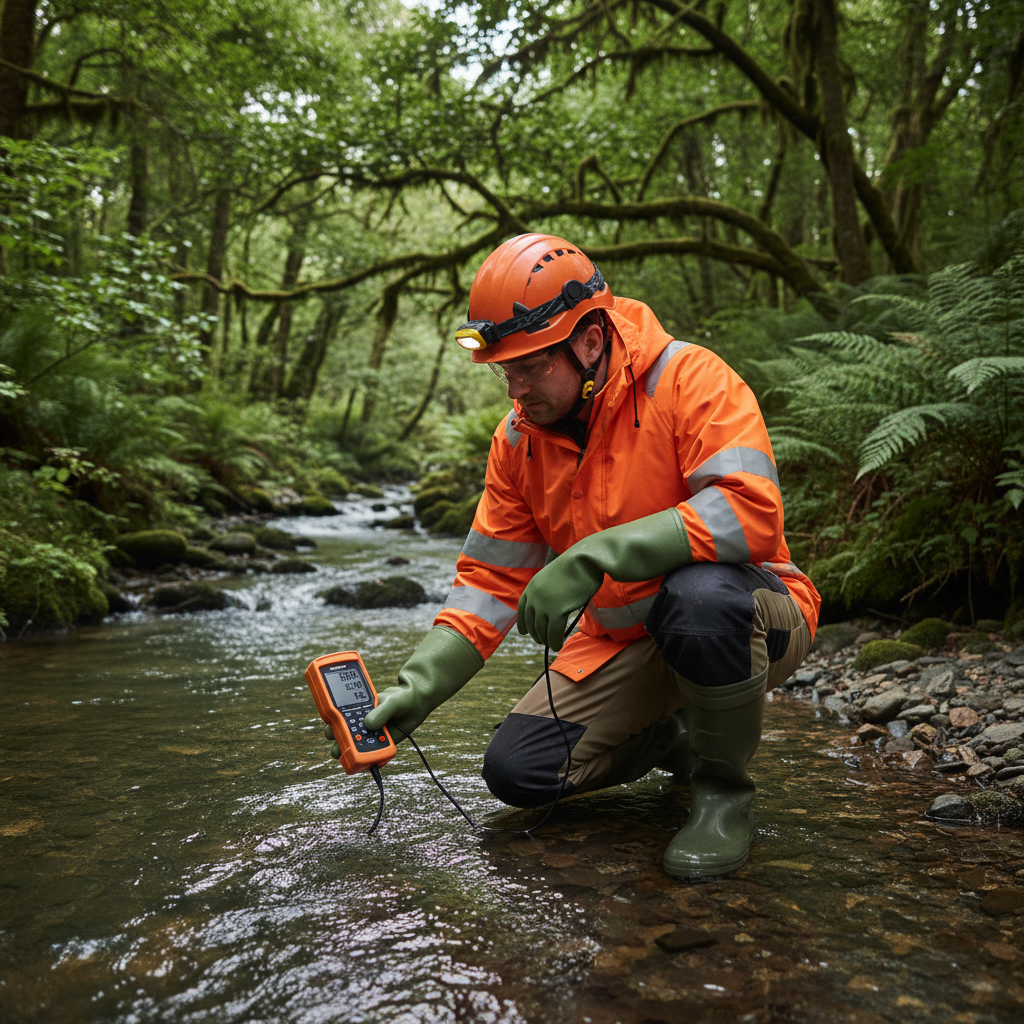
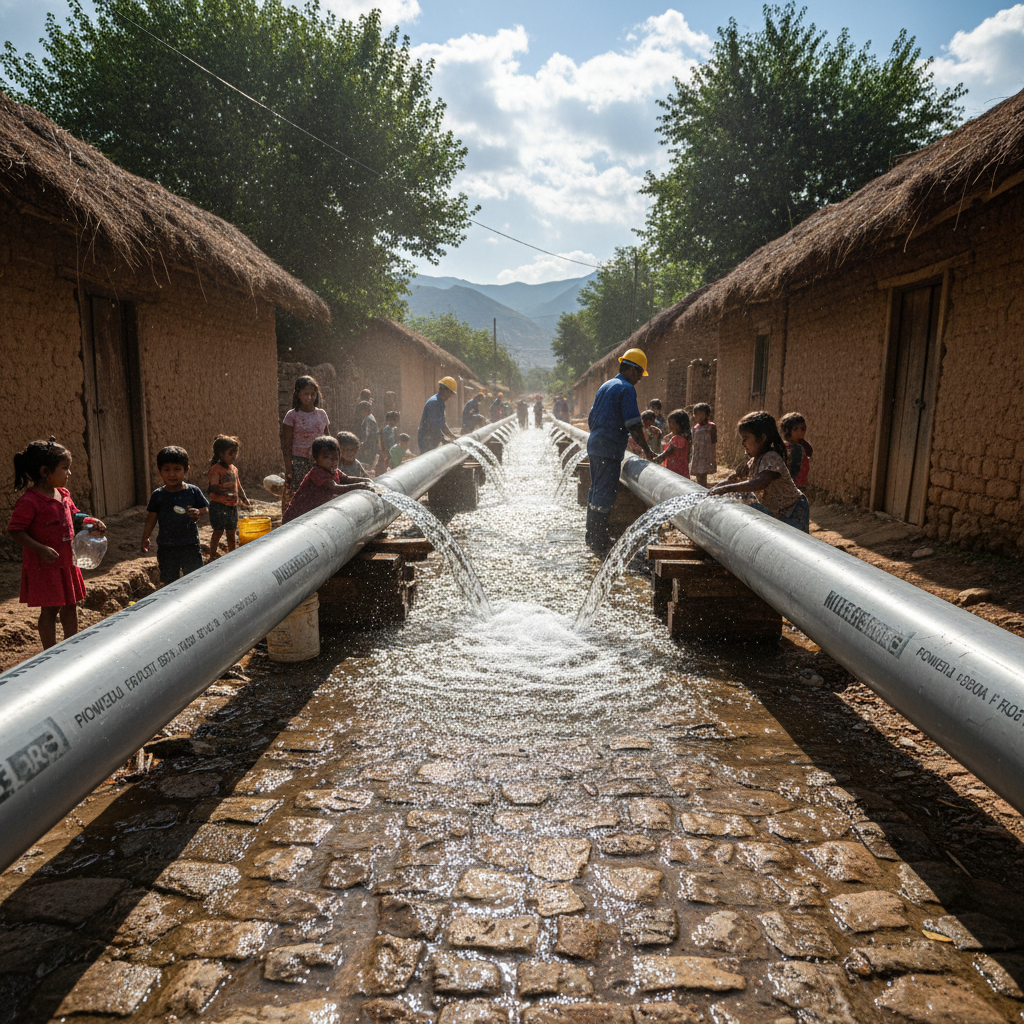
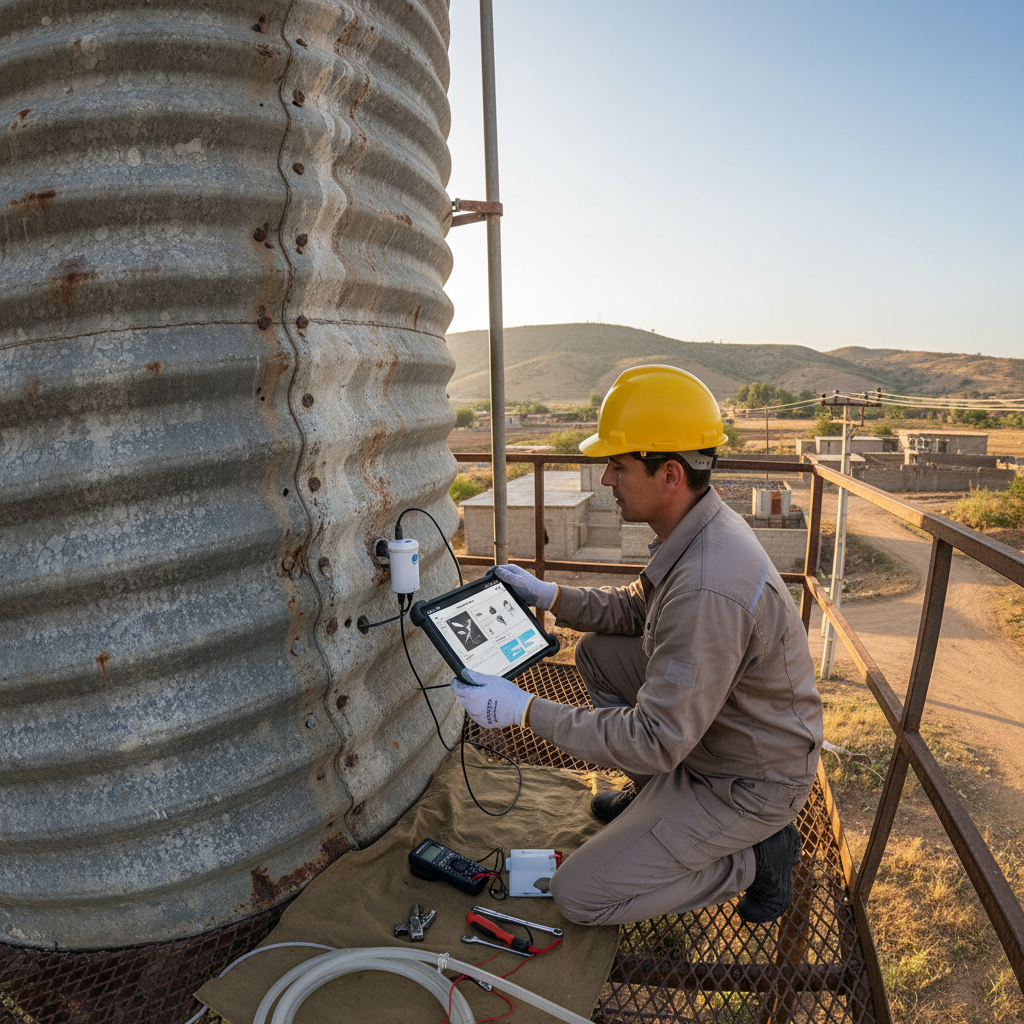
We drill. We filter. We train village committees to keep water clean long after our trucks leave — and then watch communities flourish.
The numbers are not abstract. They are people.
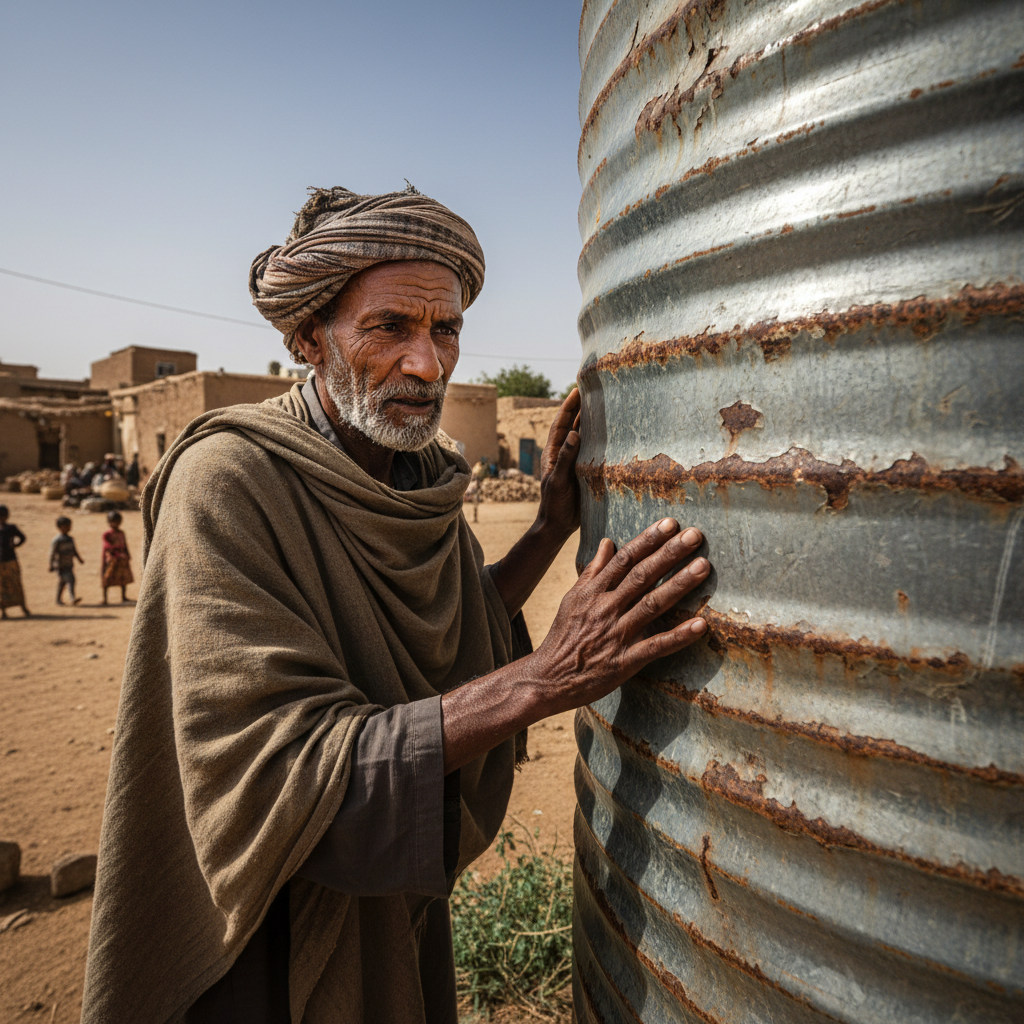
People Without Safe Water
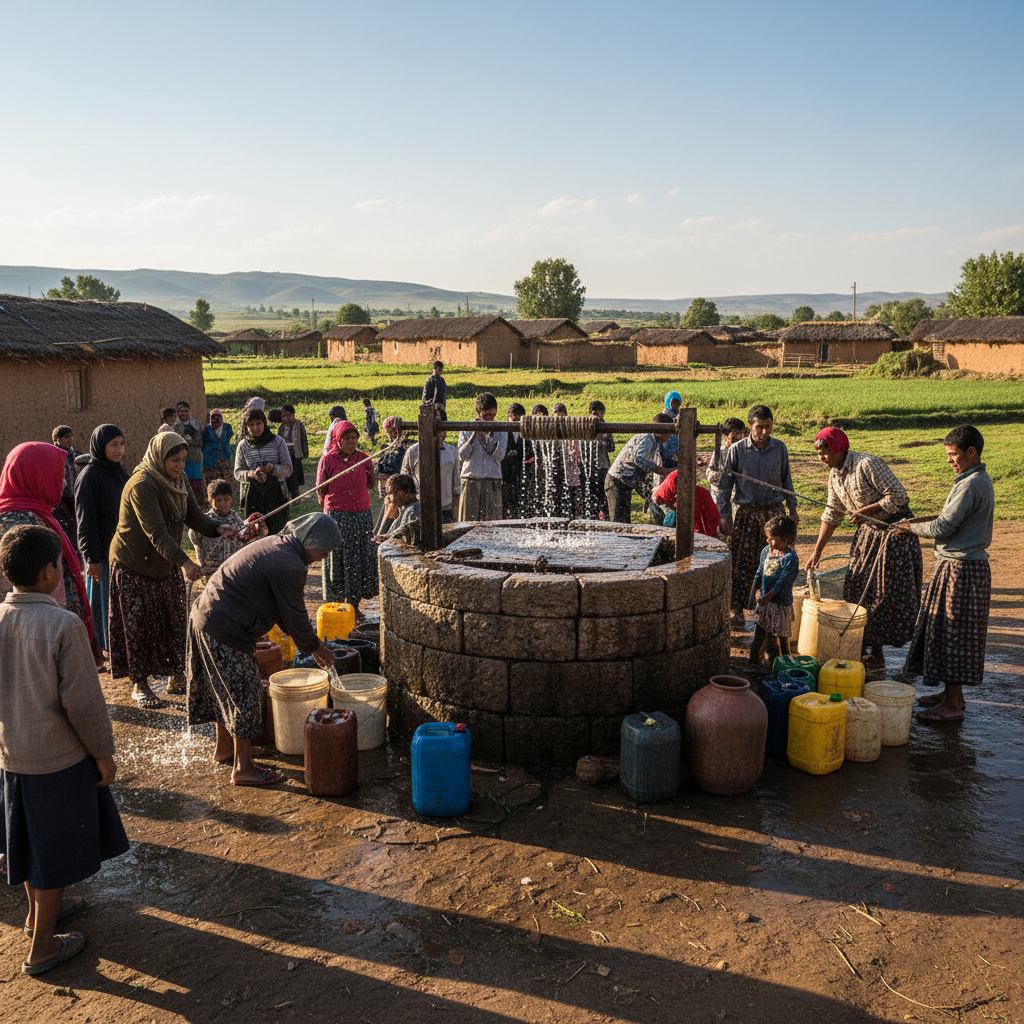
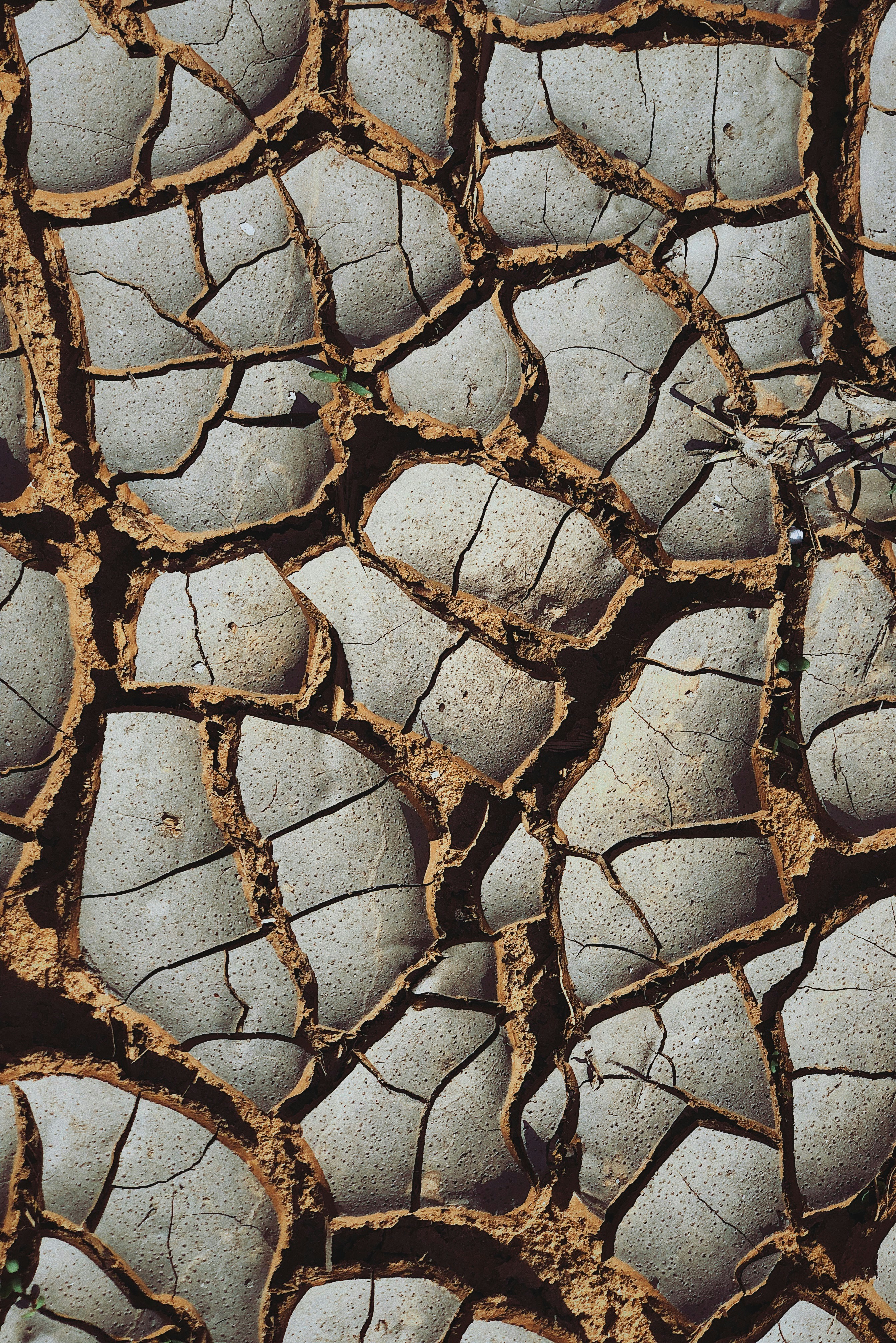
Nearly 1 in 10 people on earth cannot access clean water today.
Walked Every Day
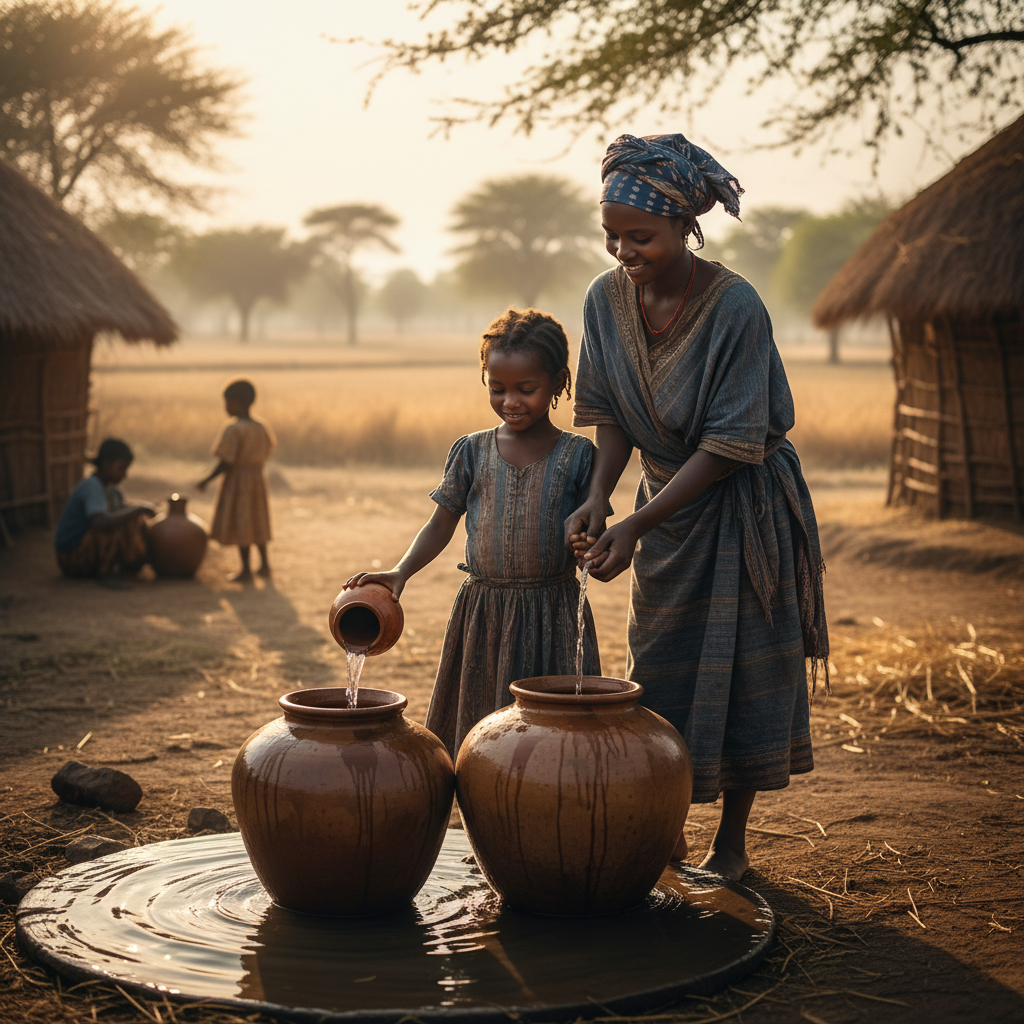
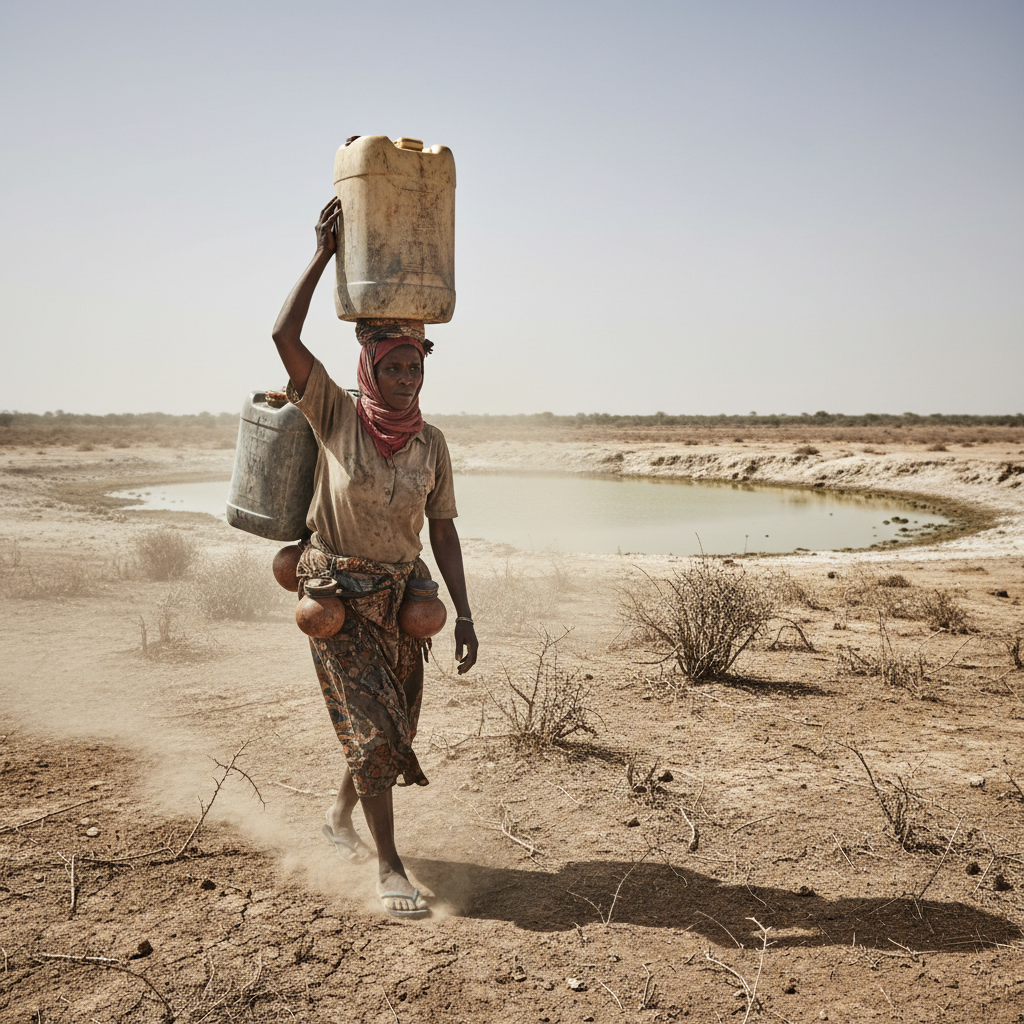
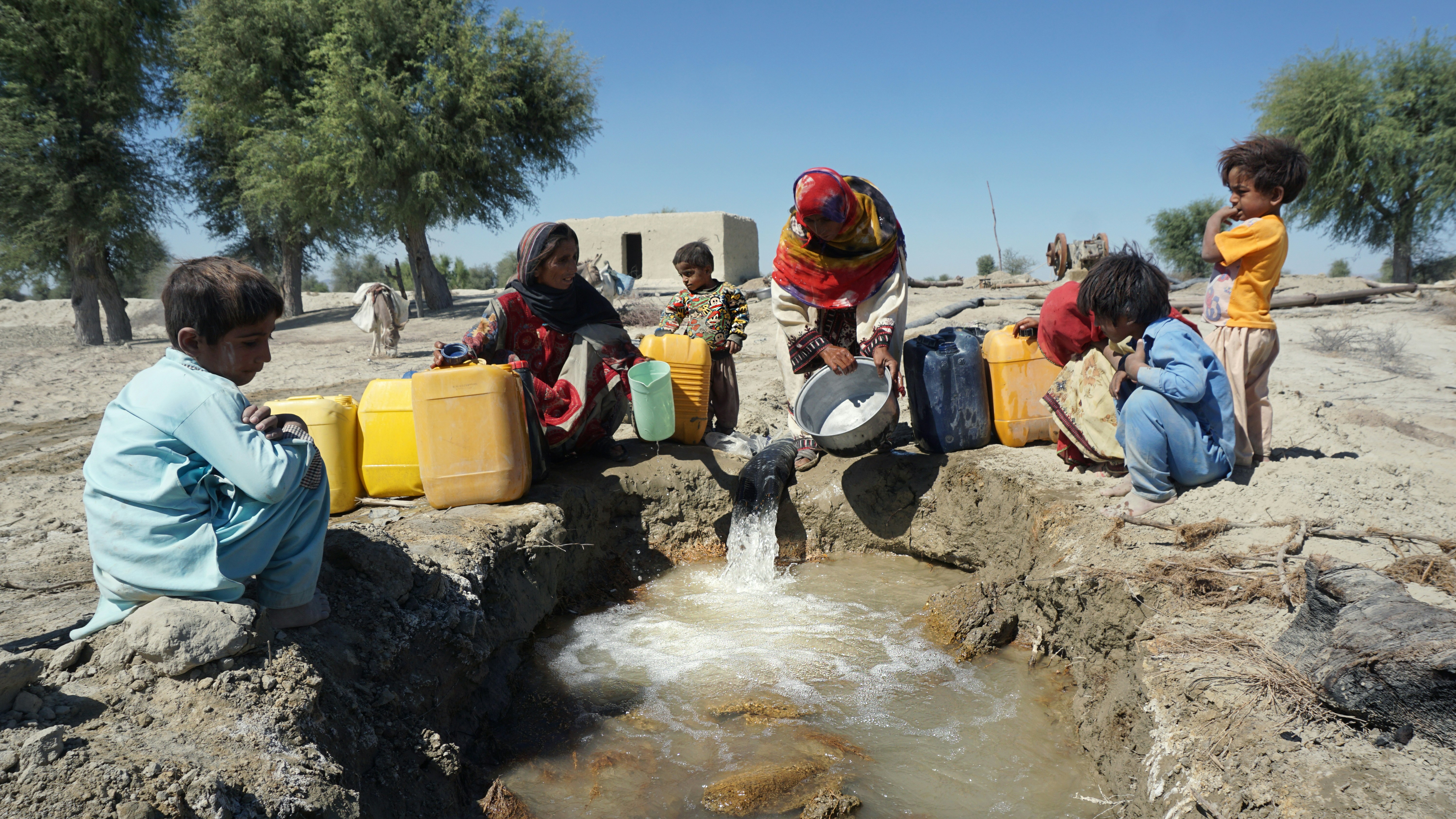
Women and girls spend 6 hours daily collecting water — time stolen from school, work, and rest.
Children Lost Daily
Over 1,000 children under five die every day from waterborne diseases that clean water would prevent.
Three phases.
Decades of clean water.
Most organisations drill and leave. We stay for 18 months — long enough to know the community can carry this forward on its own.
Drill
We go deep so communities can stand tall.
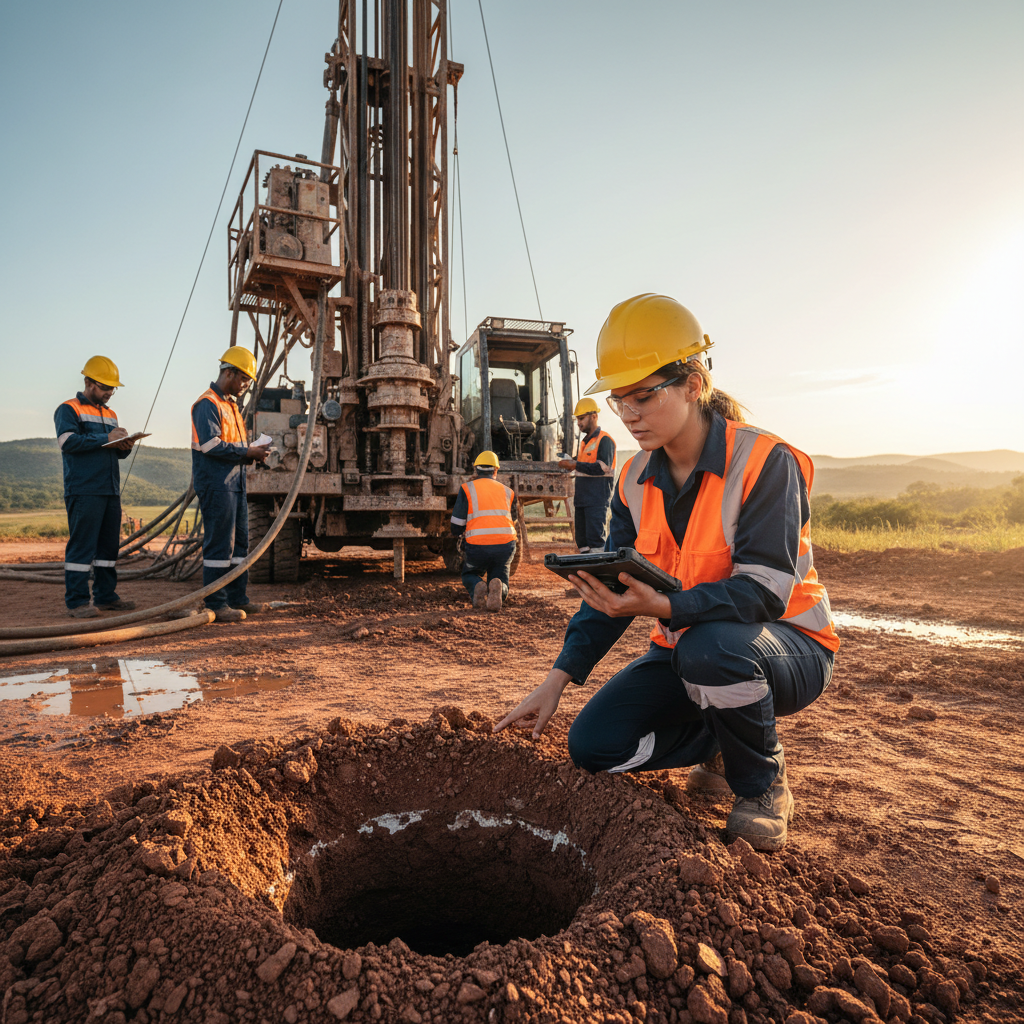
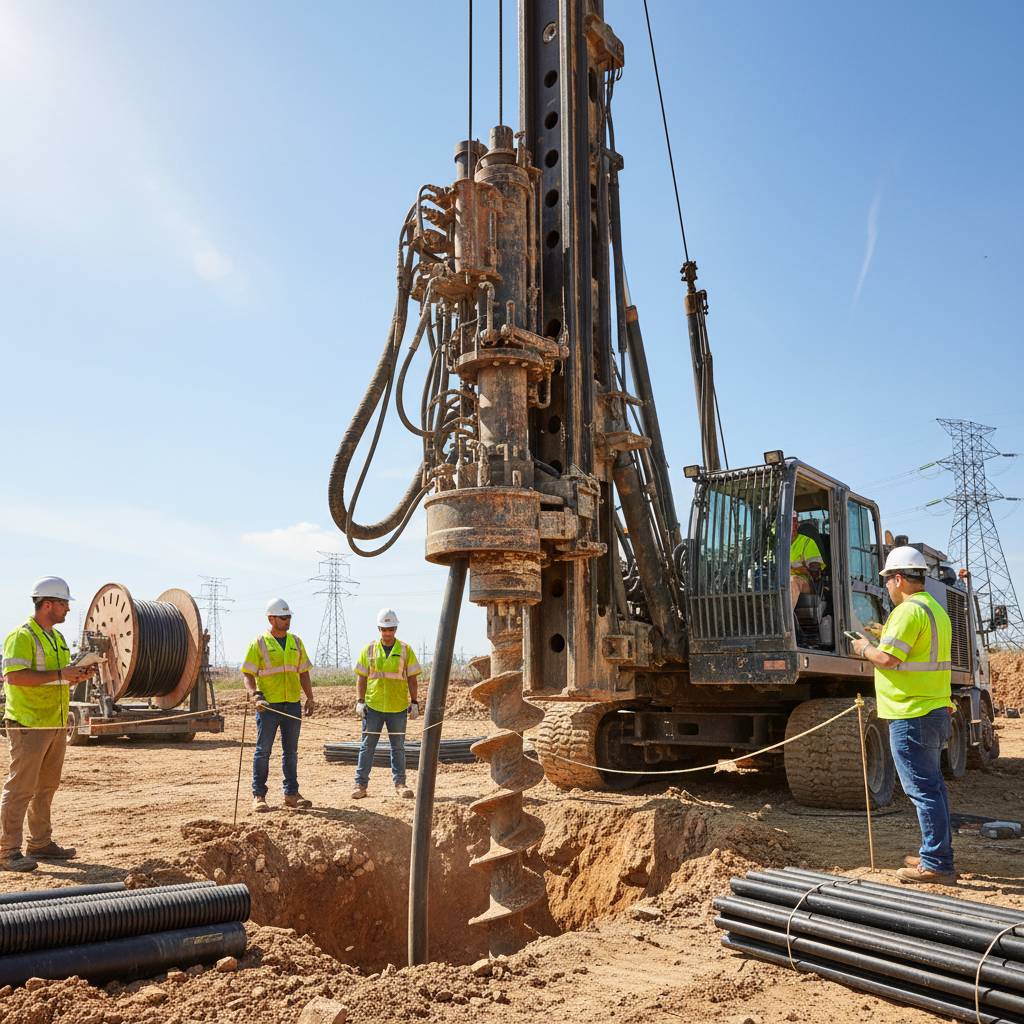
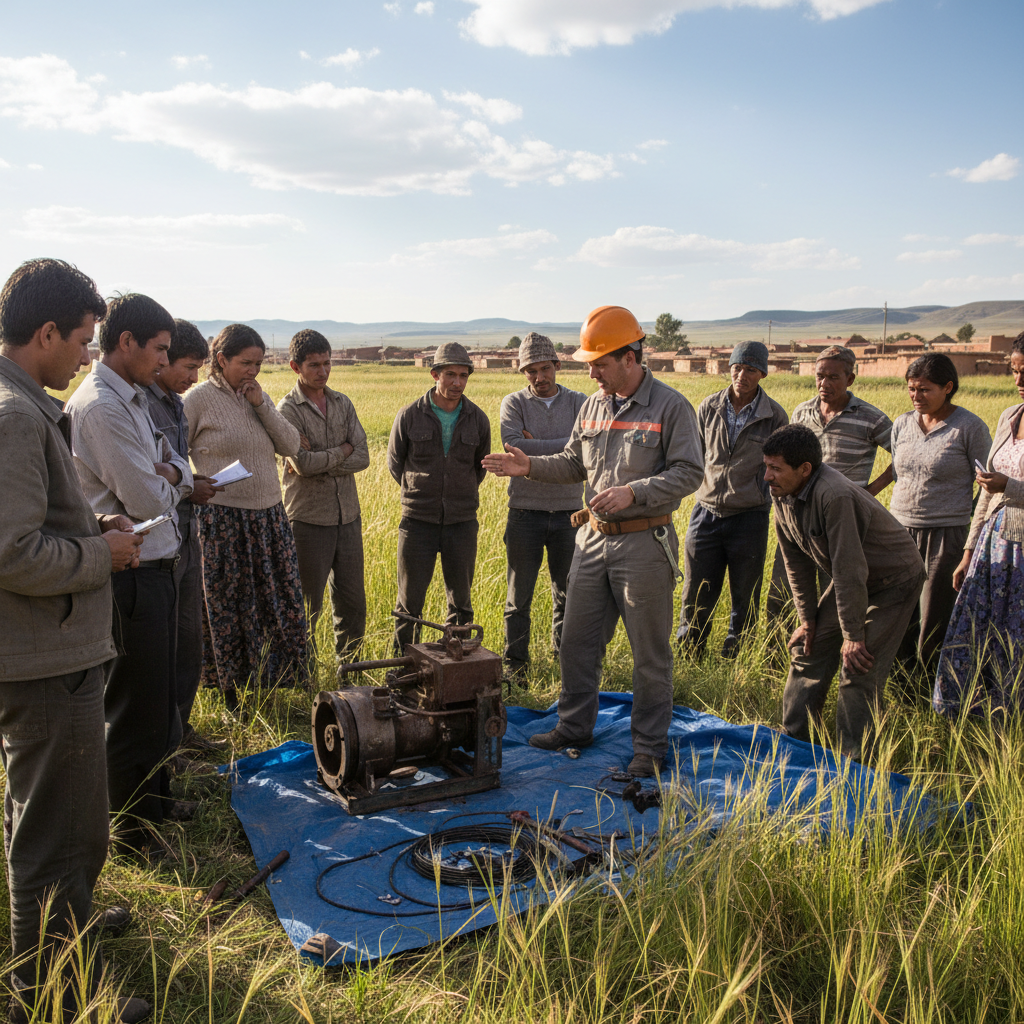
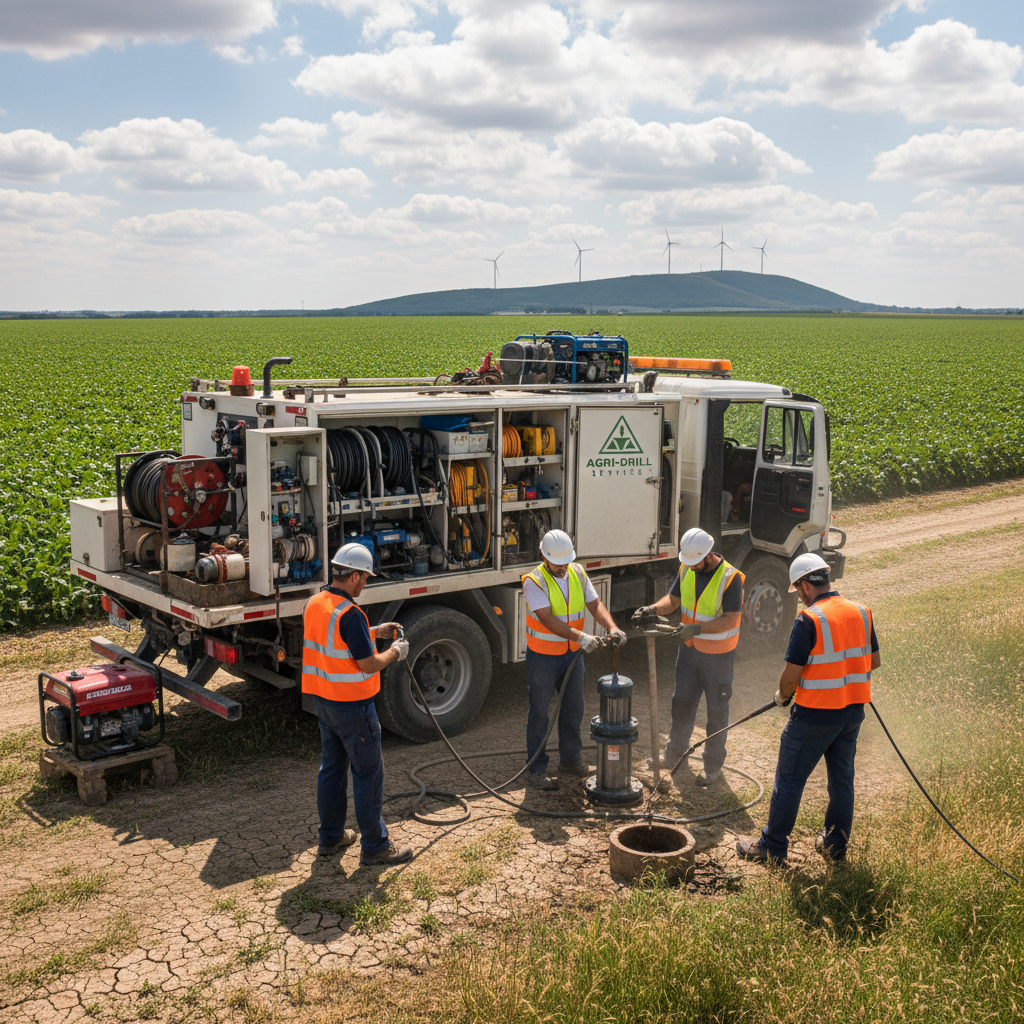
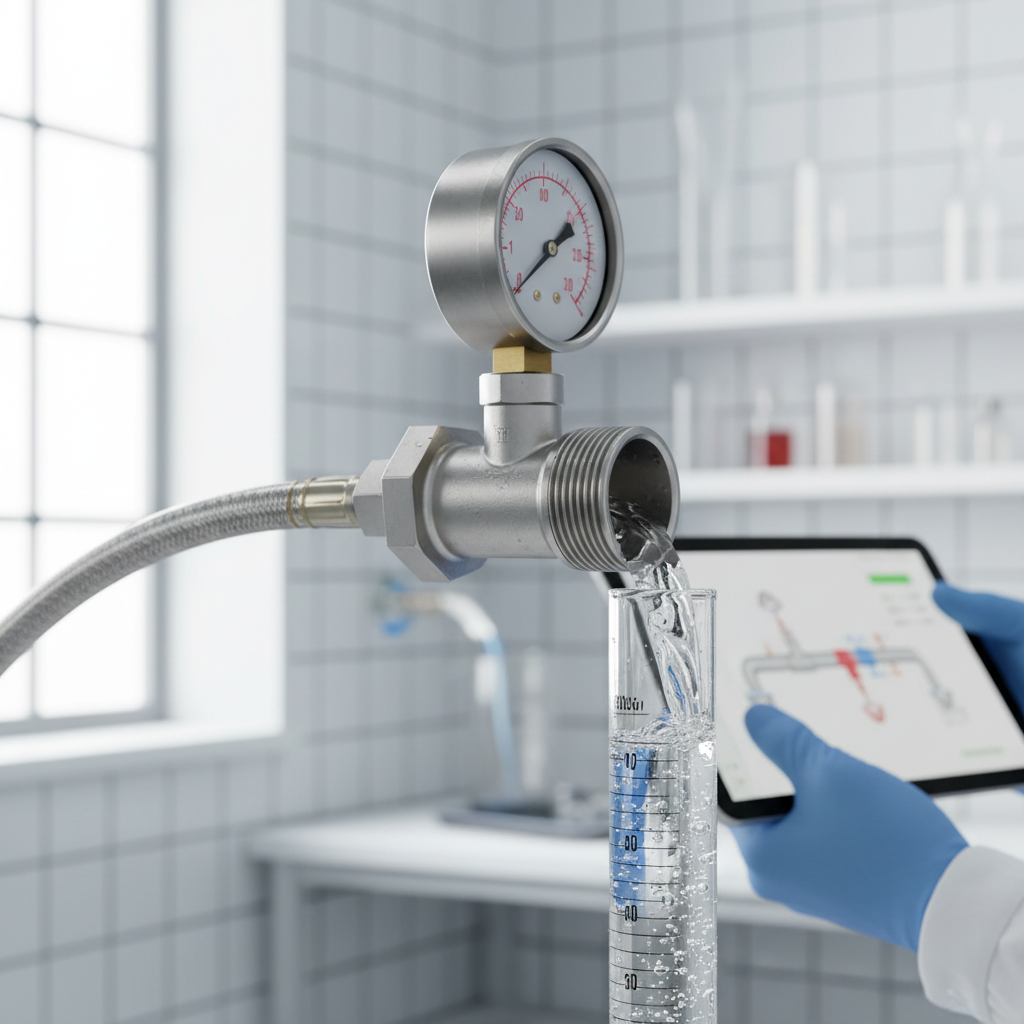
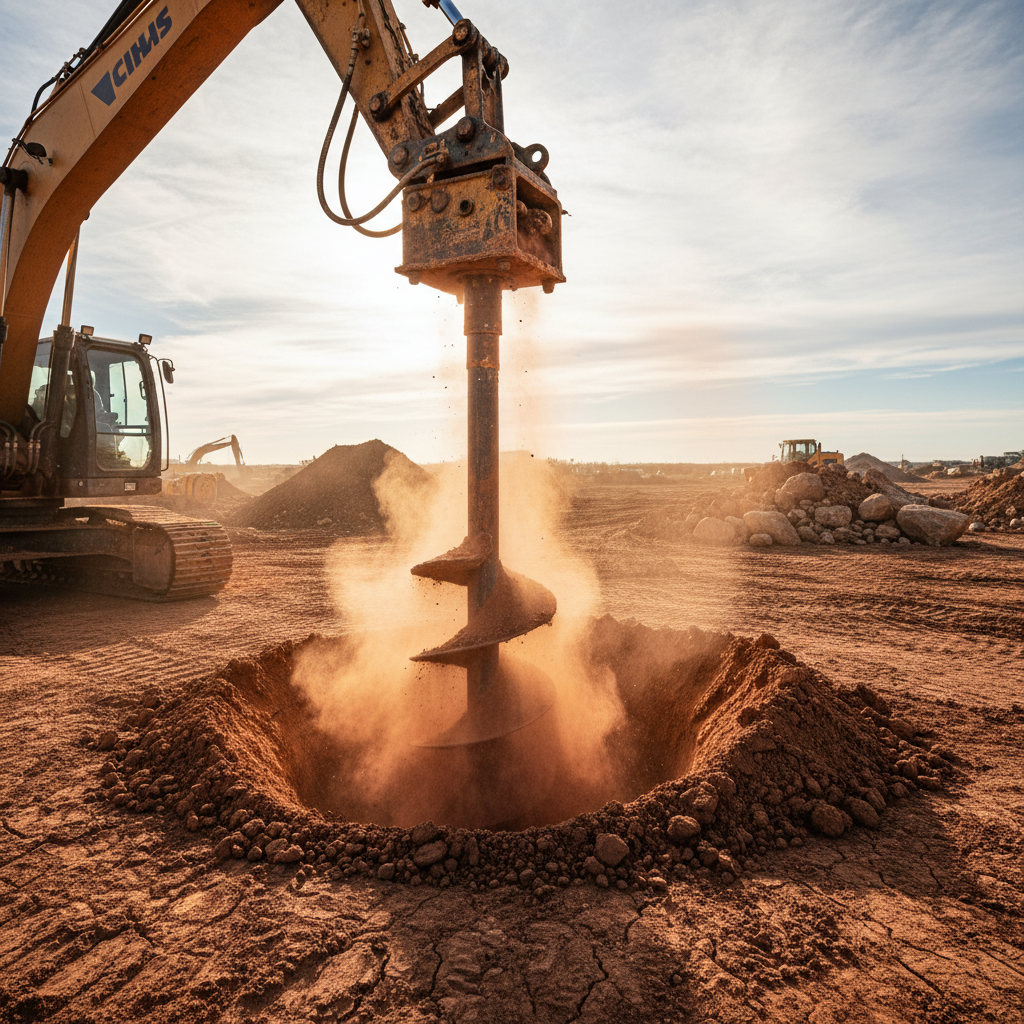
Our hydrogeology team surveys each site using satellite data and ground-level soil testing before a single drill bit turns. We sink boreholes to depths of 60–120 metres, reaching aquifers that persist through droughts. Every borehole is cased, sealed, and tested for bacterial contamination before handover.
847 boreholes drilled · Average depth 94m · 100% tested before handover
Filter
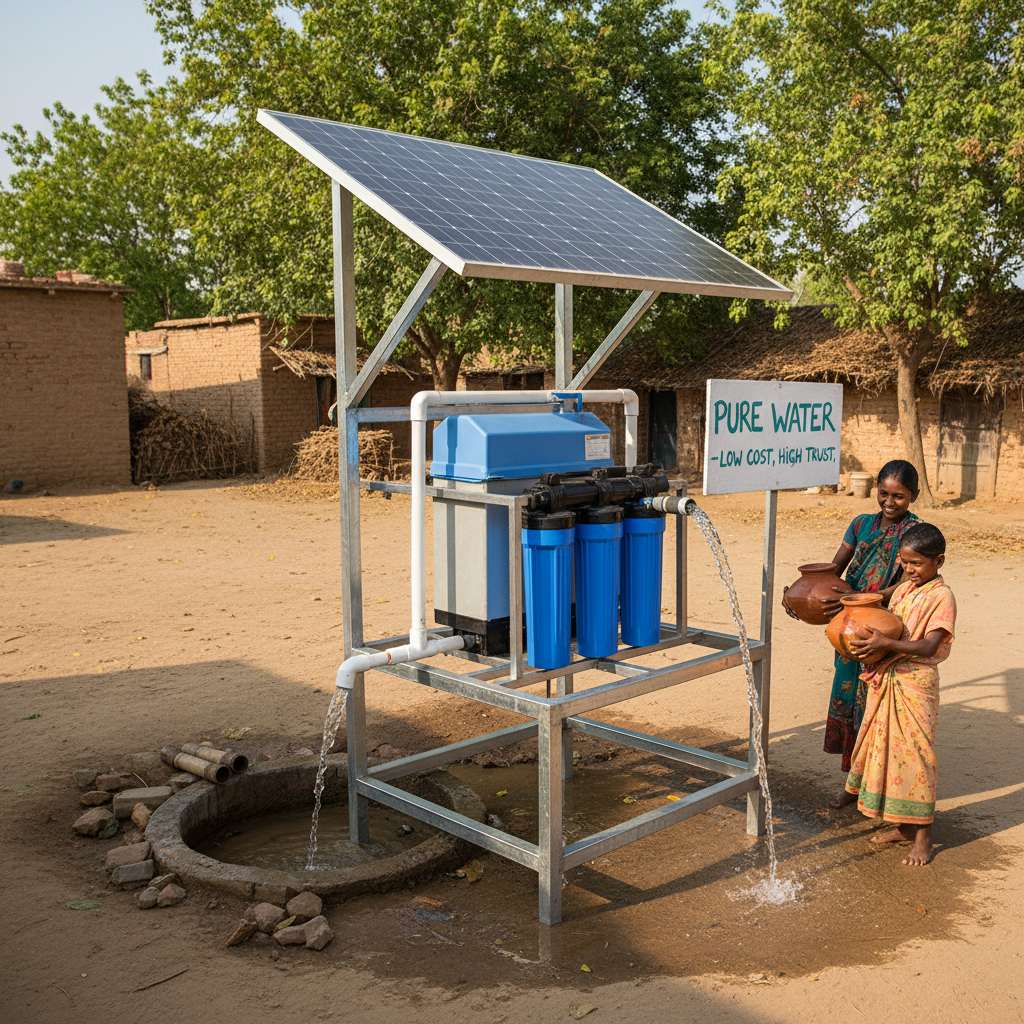
Gravity does the work. Communities keep the water.
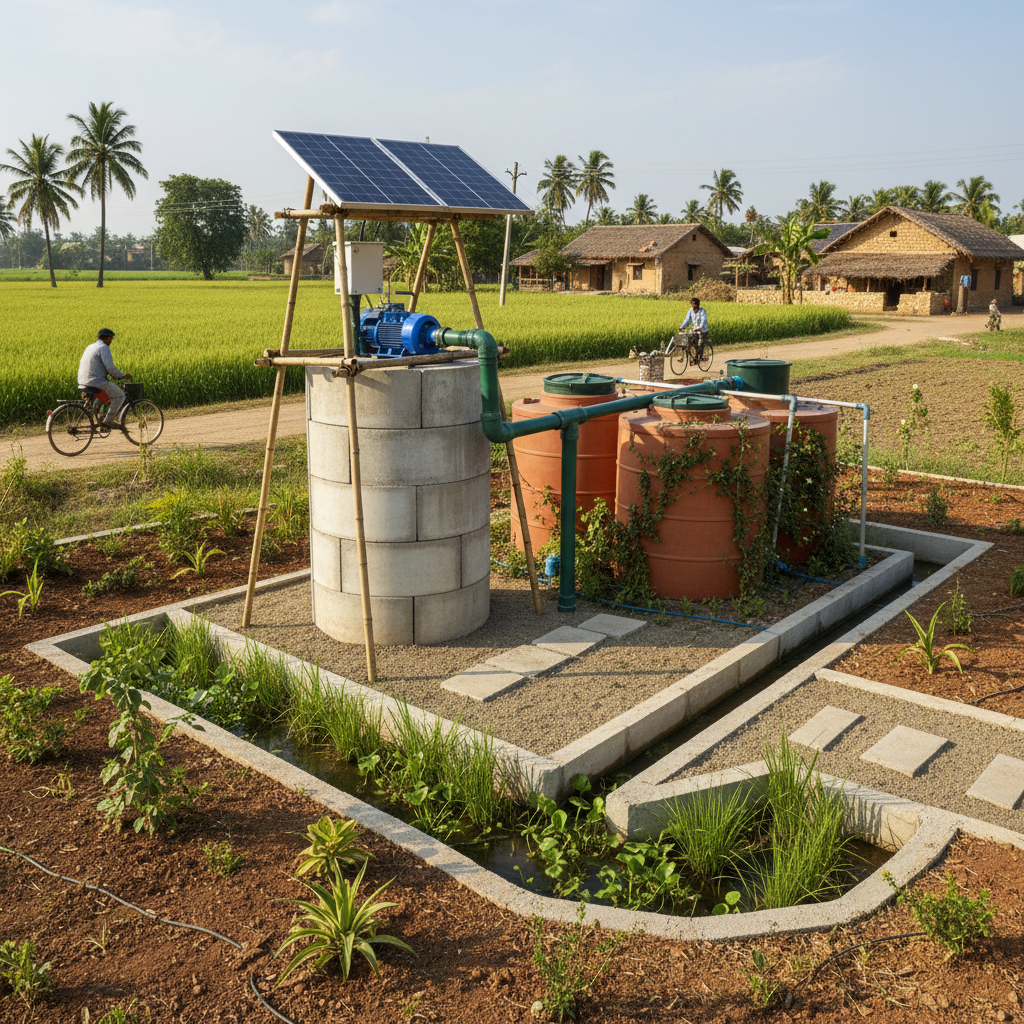
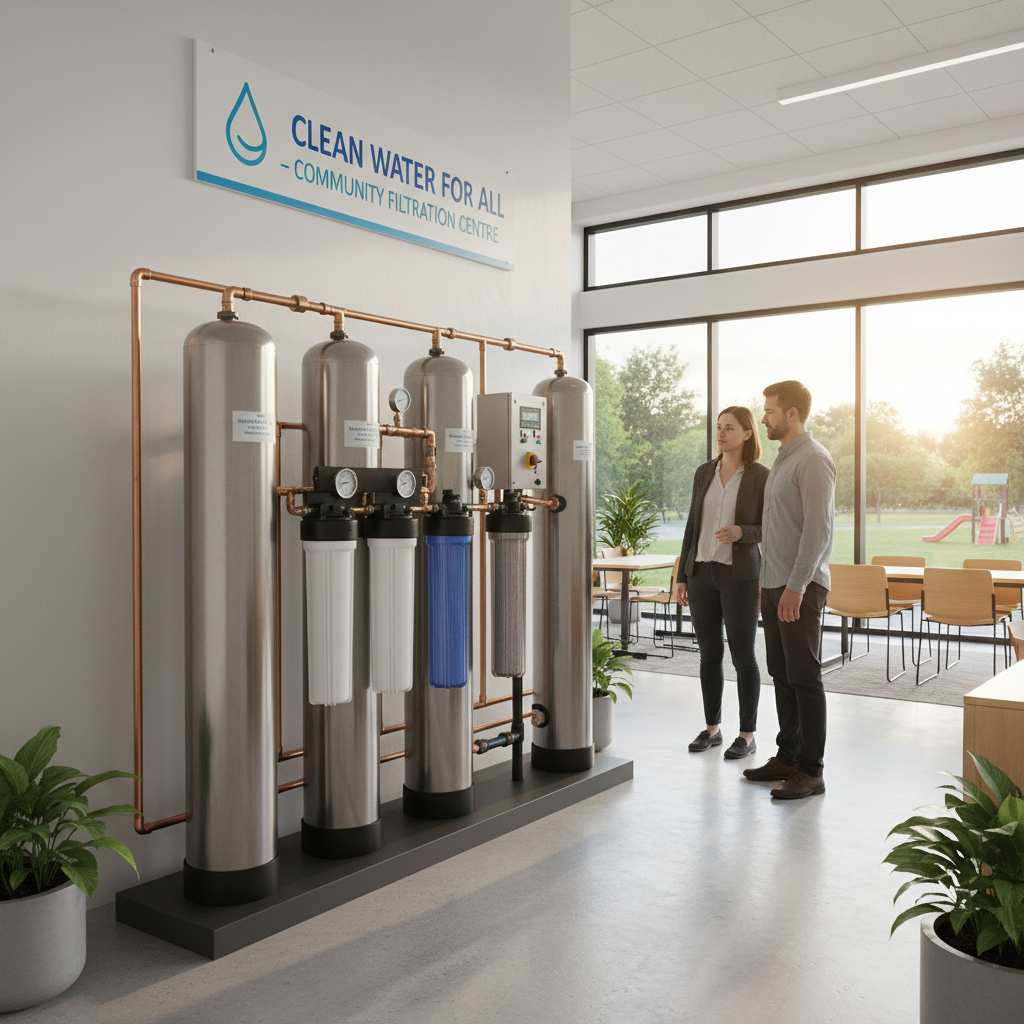
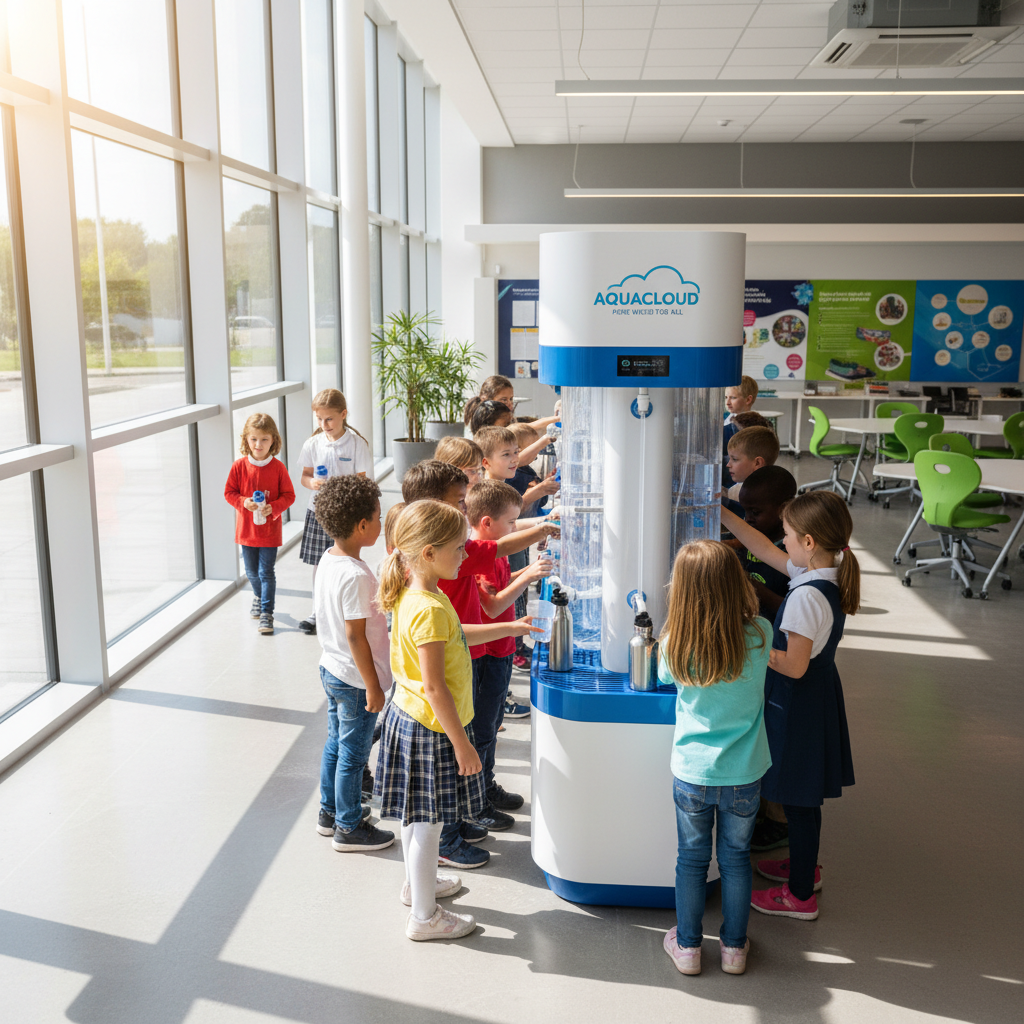
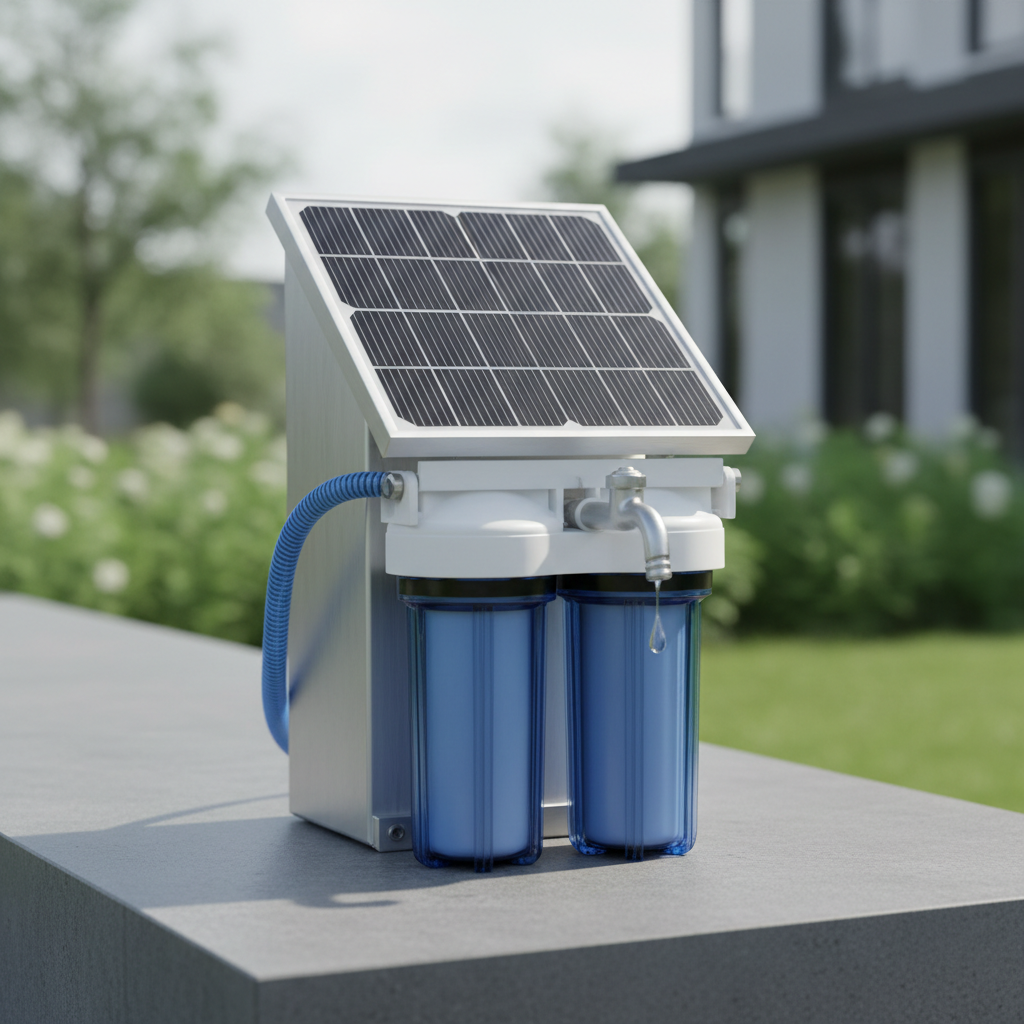
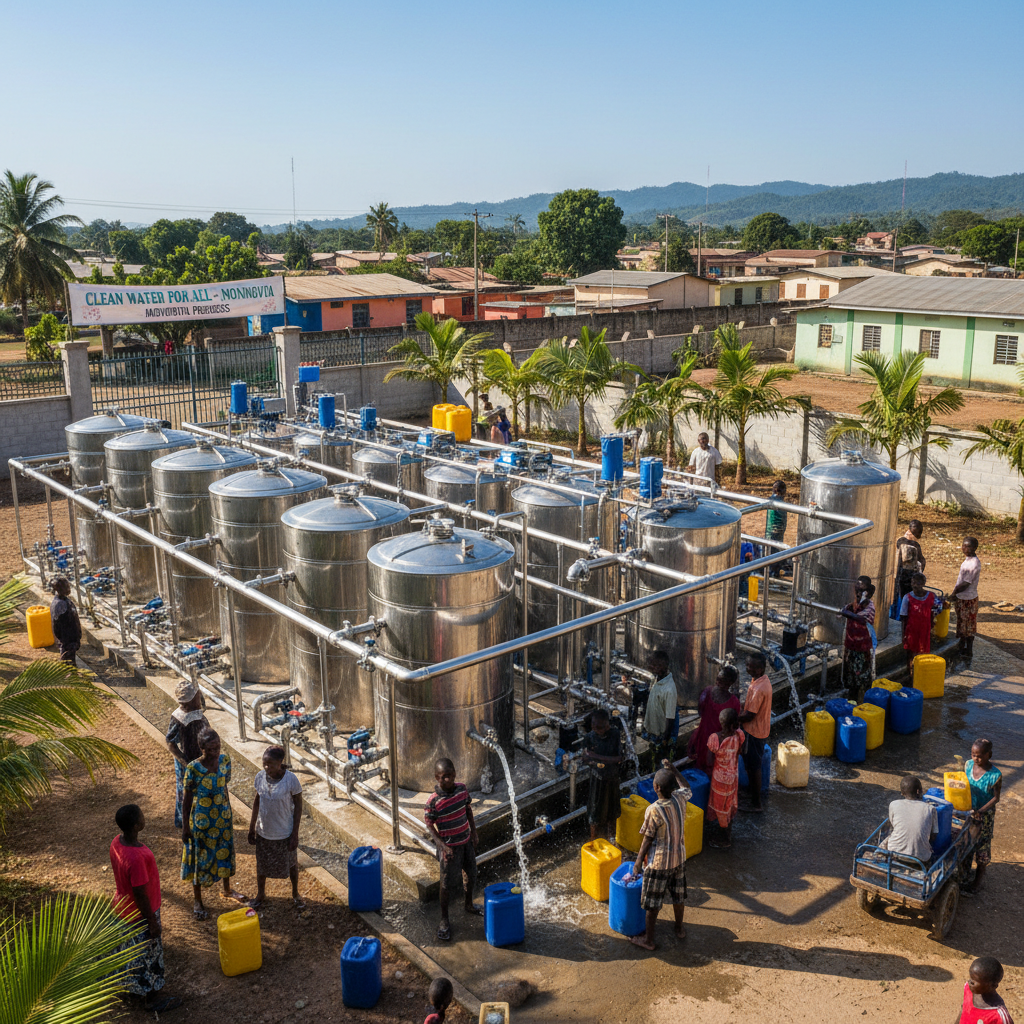
We install biosand filtration systems and UV purification units designed for maintenance without specialist tools. Every system uses locally available materials for replacement parts. We train at least two community members per household cluster to conduct daily turbidity checks and monthly deep cleans.
2,400+ filtration units installed · Maintenance kit left at every site · Parts sourced locally
Train
Knowledge is the infrastructure that never rusts.
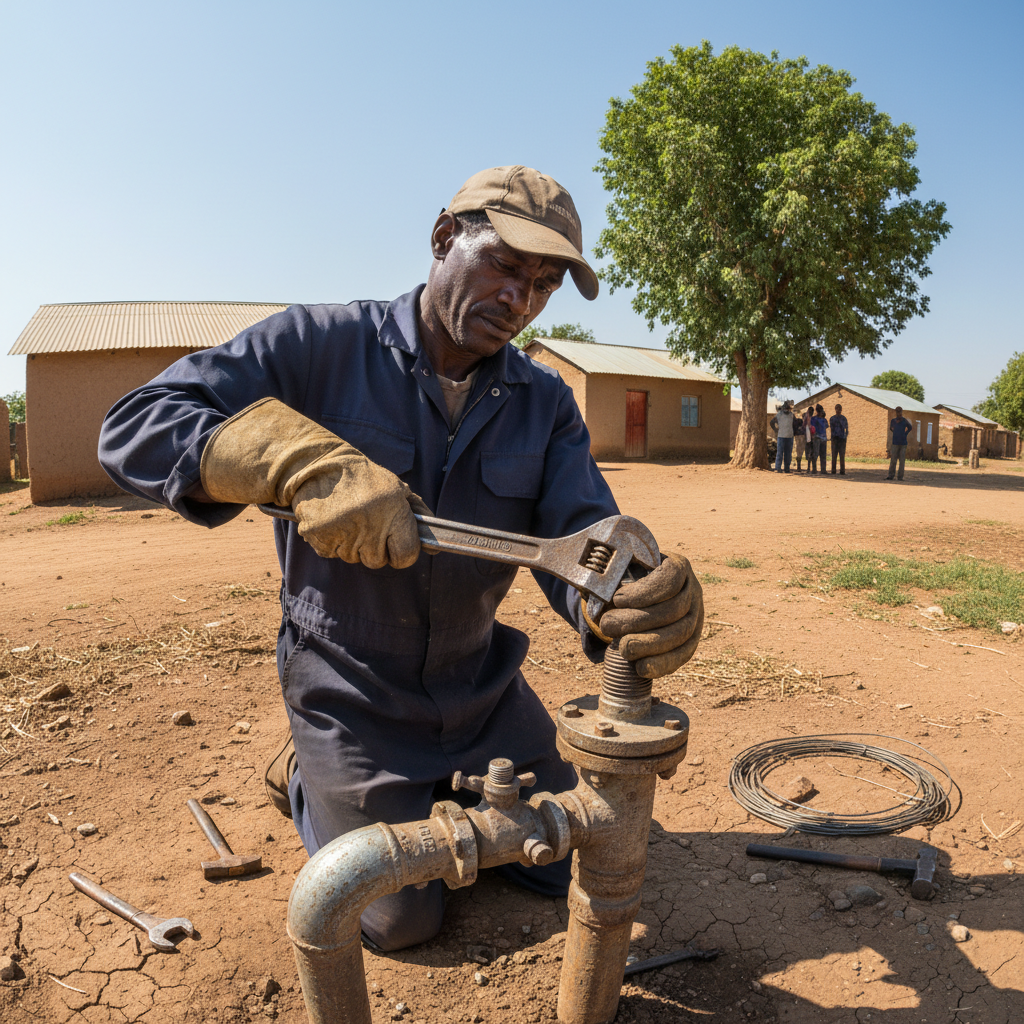
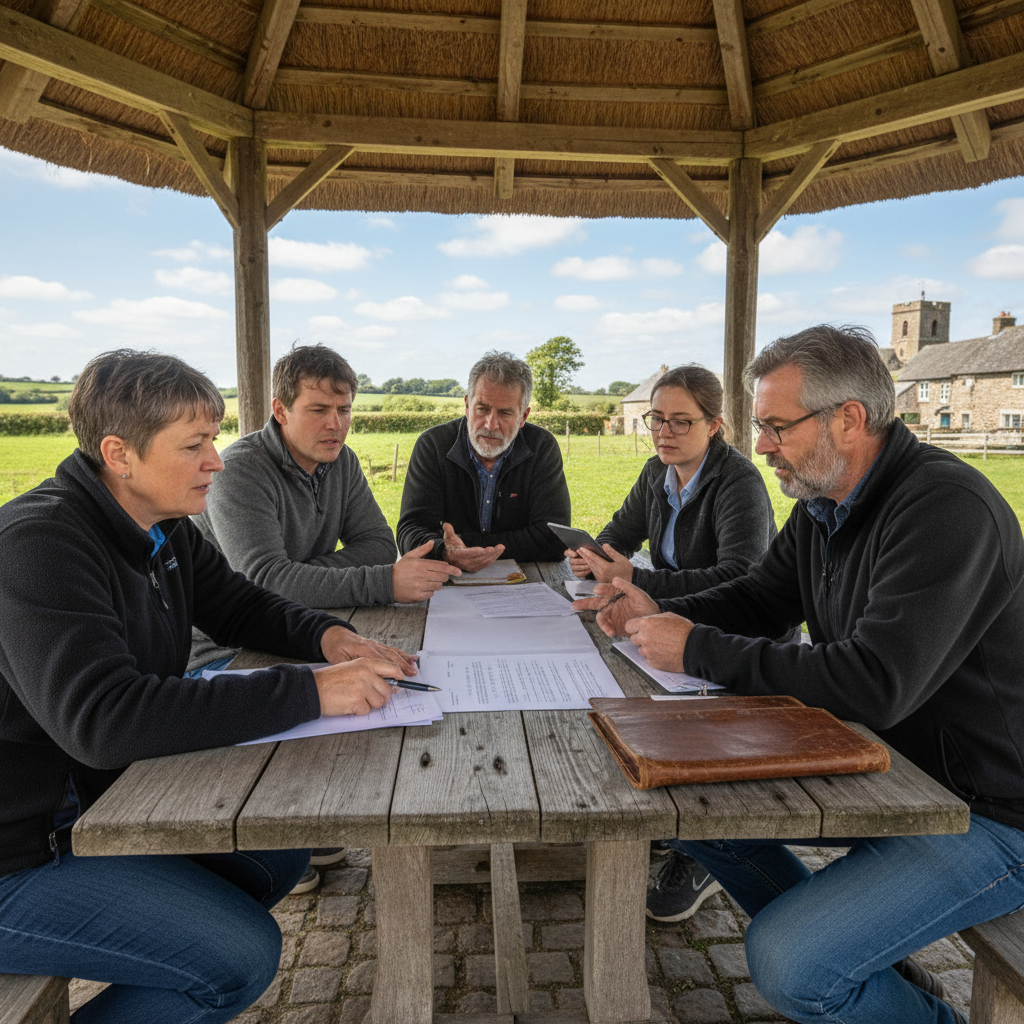
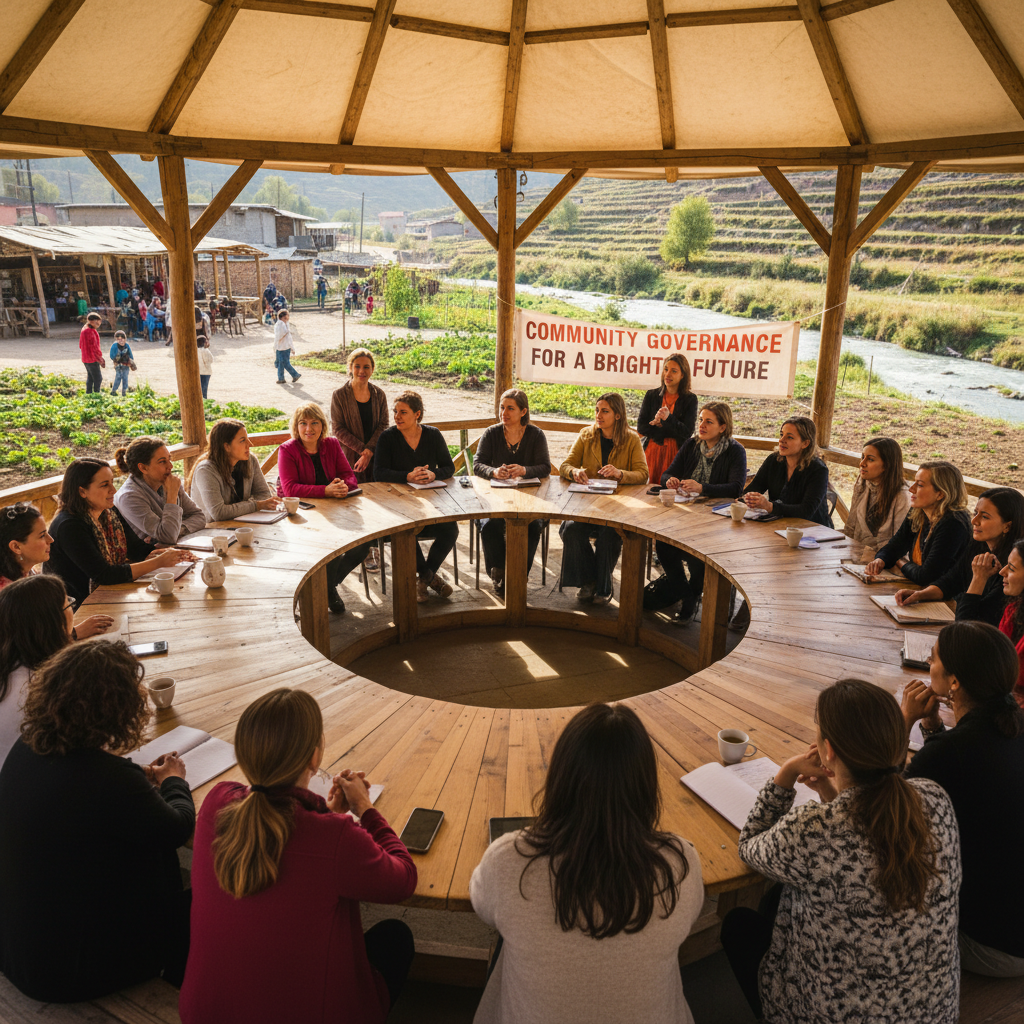
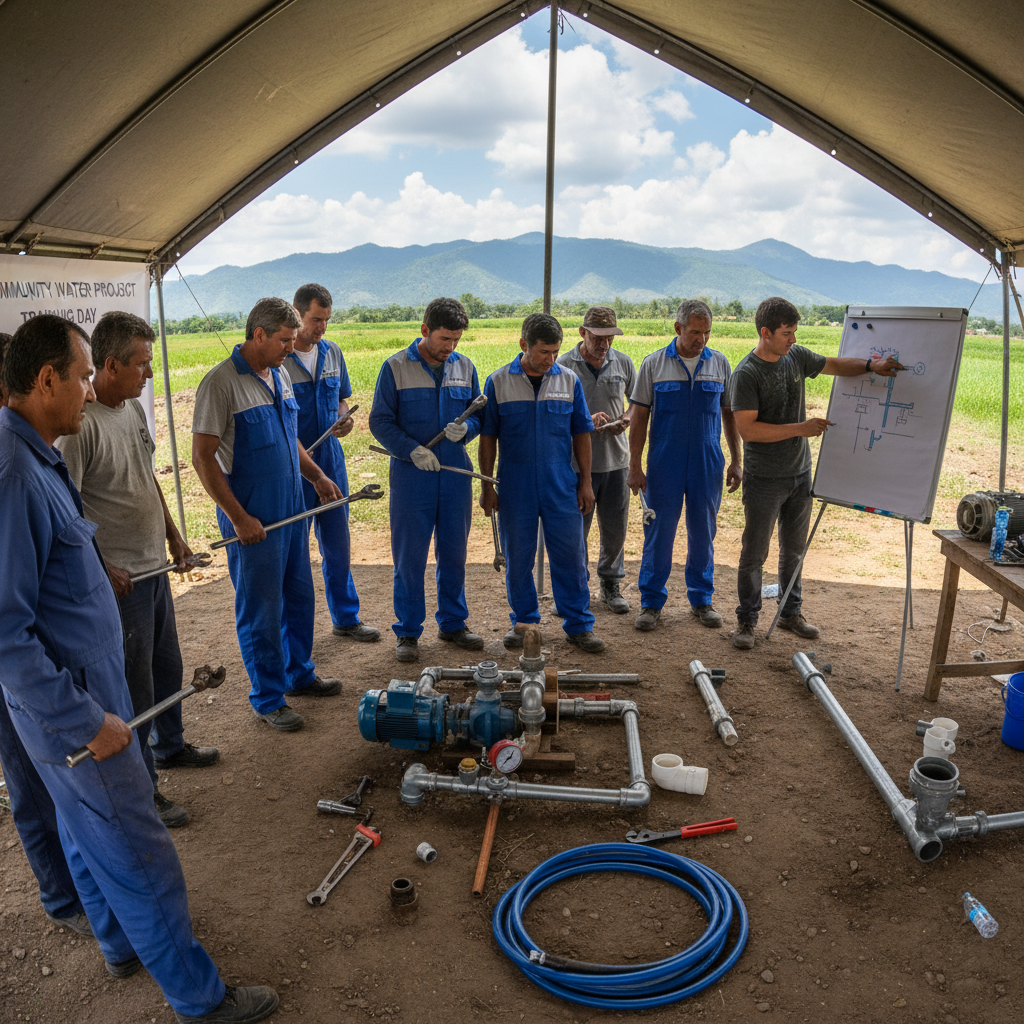
Our Village Water Committee program trains 8–12 local stewards per community in pump mechanics, water quality testing, financial management for maintenance funds, and conflict resolution. Committees collect small monthly fees from households — enough to fund repairs without NGO dependence. After 18 months, 94% of our systems are still running without our involvement.
94% systems operational at 18 months · 312 village committees trained · Avg. 10 stewards per committee
Water is the door.
Life walks through it.
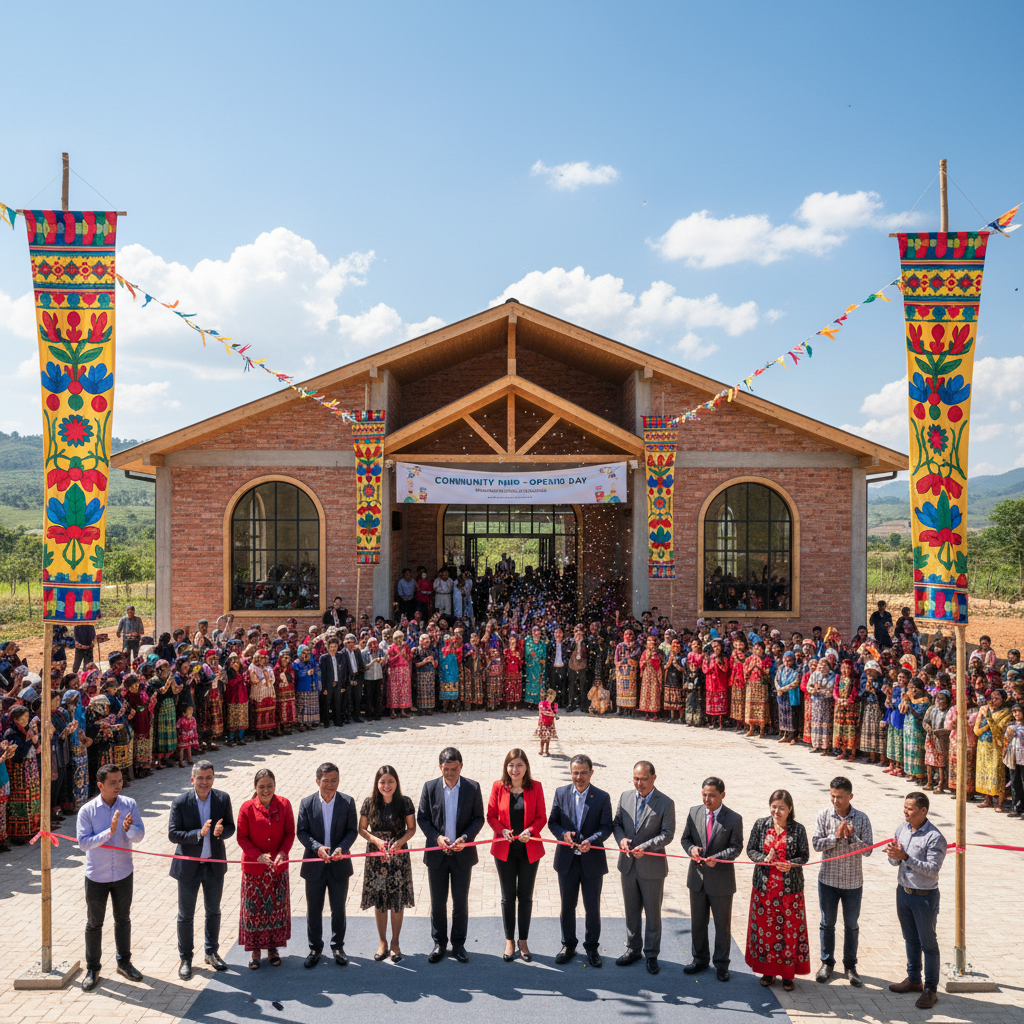
These are not projections. These are communities we know by name — and return to every year.
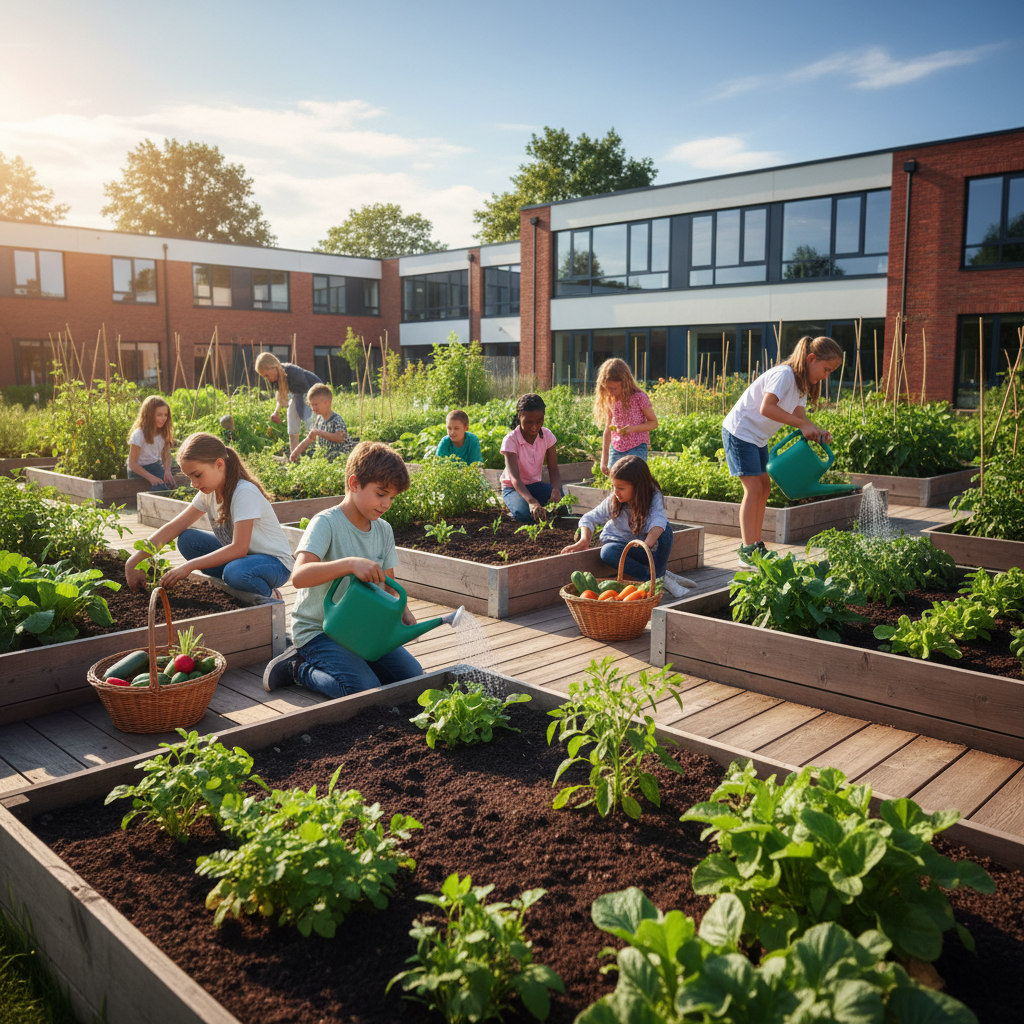
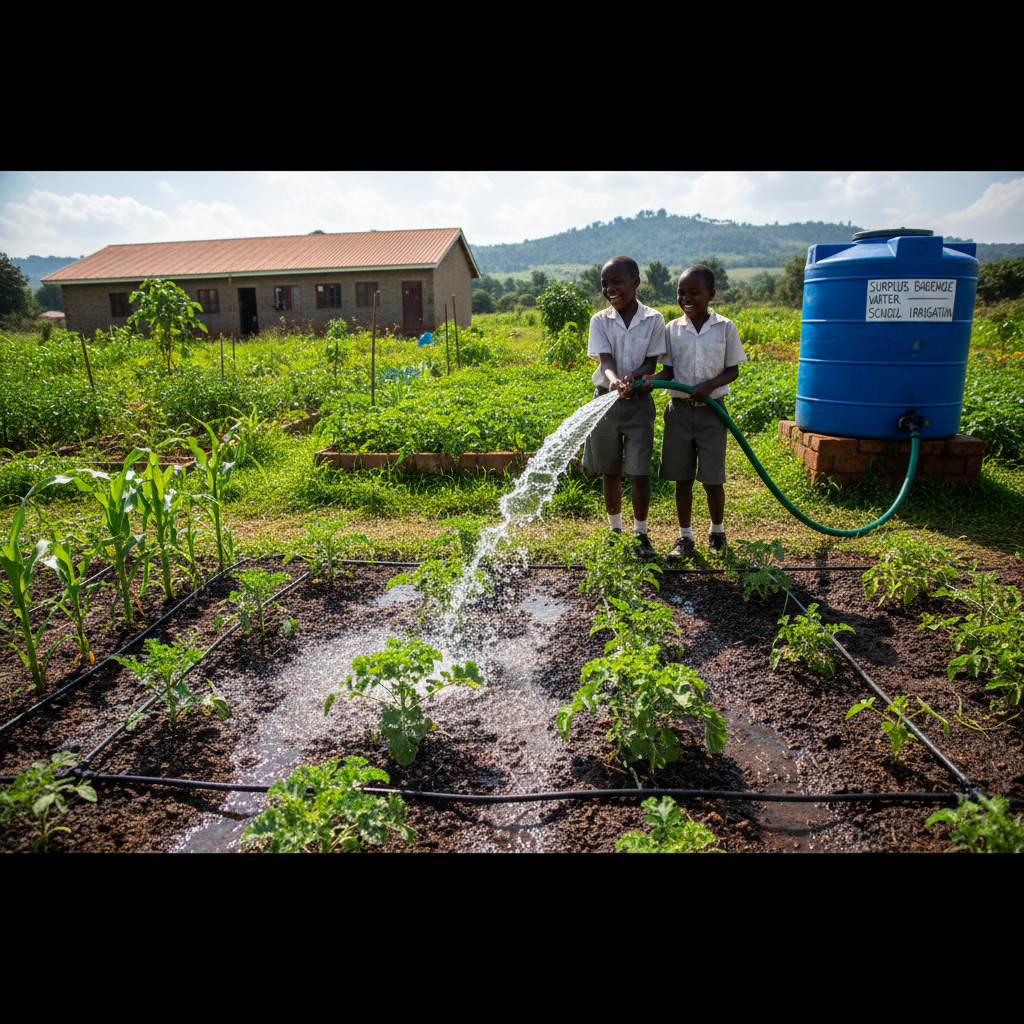
School Gardens Fed by Surplus Water
In Nakuru County, Kenya, the 40 litres of surplus borehole water per household per day now irrigates a 0.4-hectare school garden. Students grow kale, tomatoes, and maize — supplementing school meals and generating small income for maintenance funds.
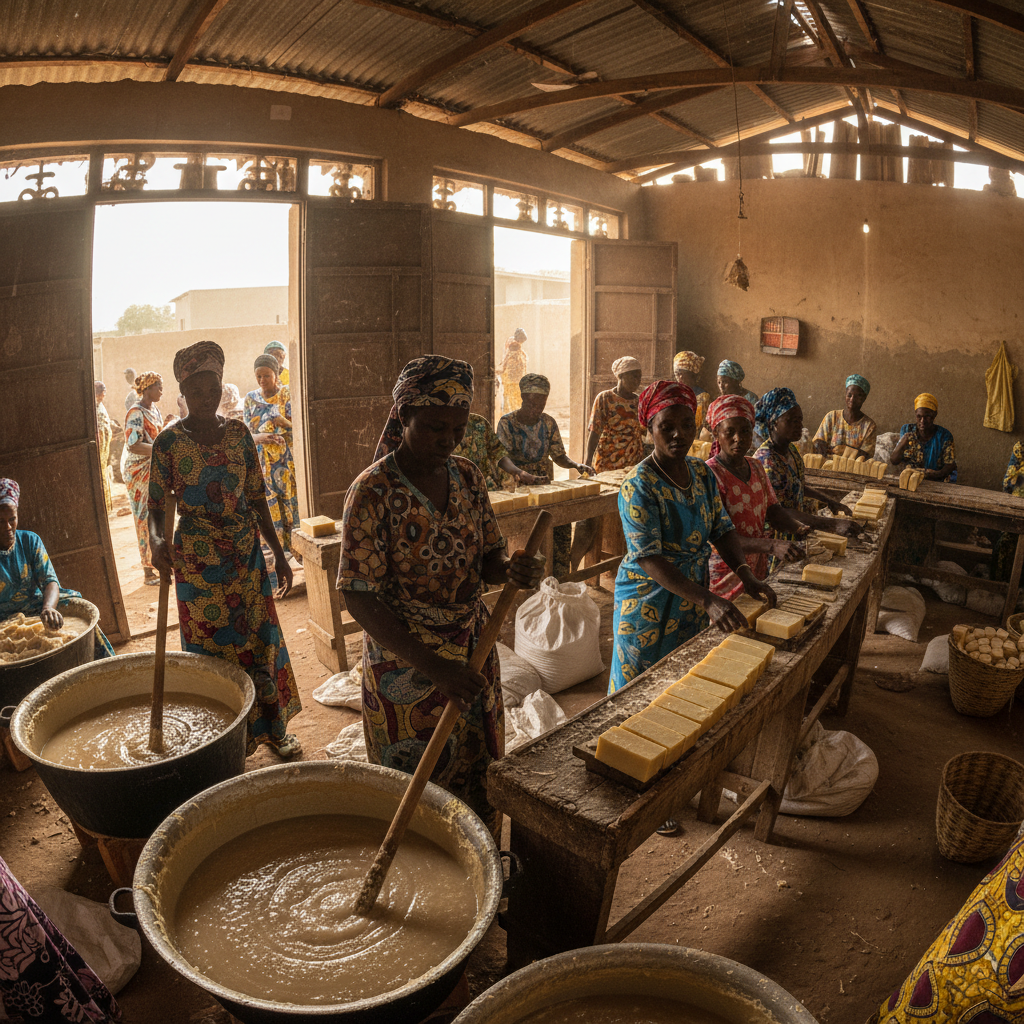
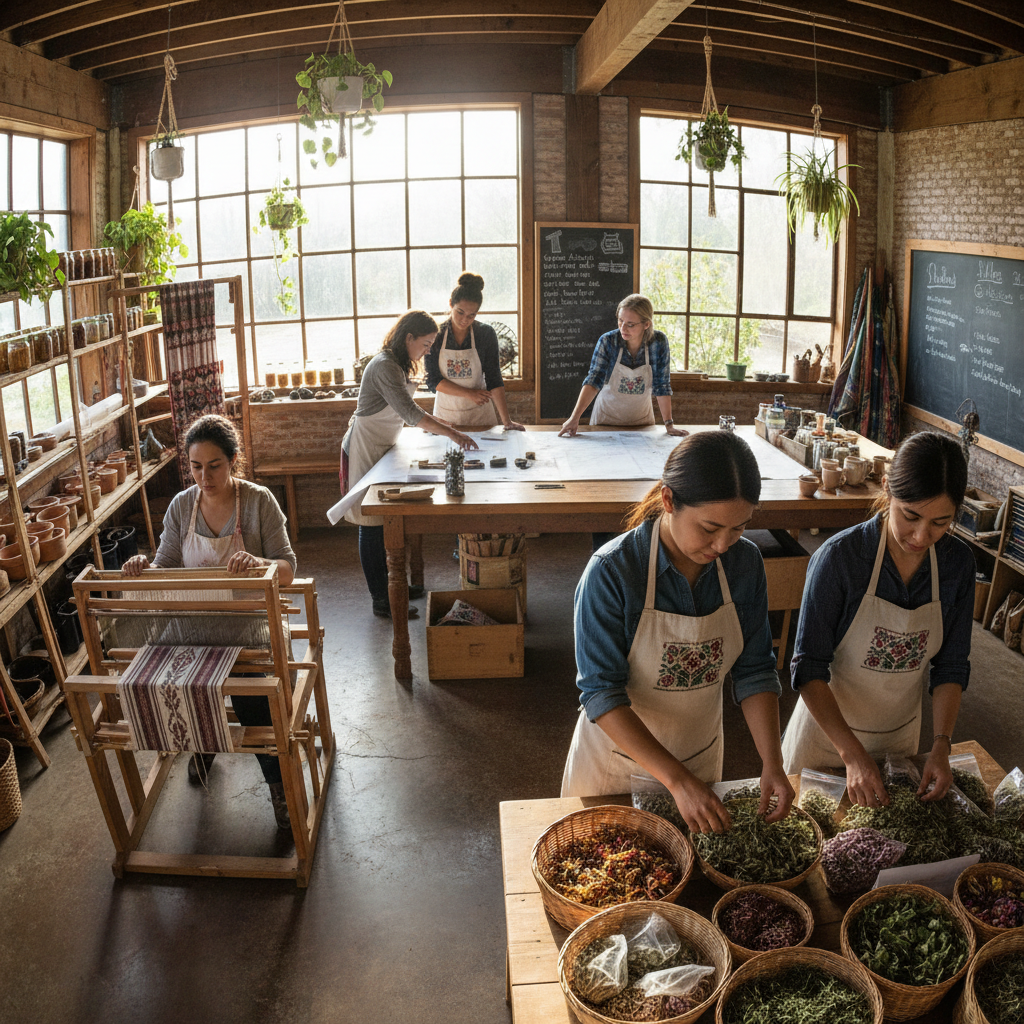
Women's Cooperatives Born From Time Saved
When Amara Diallo of Ségou, Mali stopped walking 5 hours a day for water, she started a soap-making cooperative with 14 other women. Two years later, the cooperative employs 31 members.
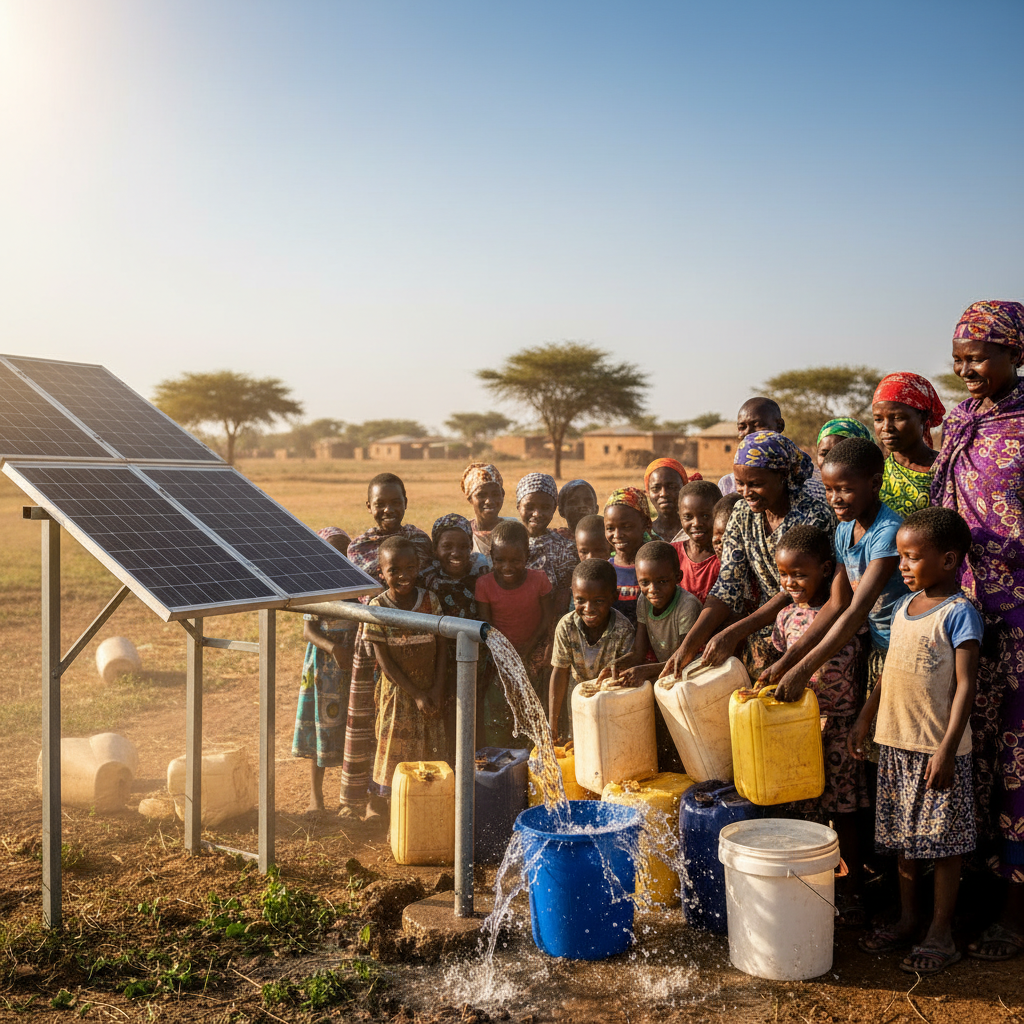
94% Still Running at 18 Months
Our village committee model means communities own their systems — not just physically, but operationally. 94% of Wellspring systems remain fully functional 18 months after our teams depart.
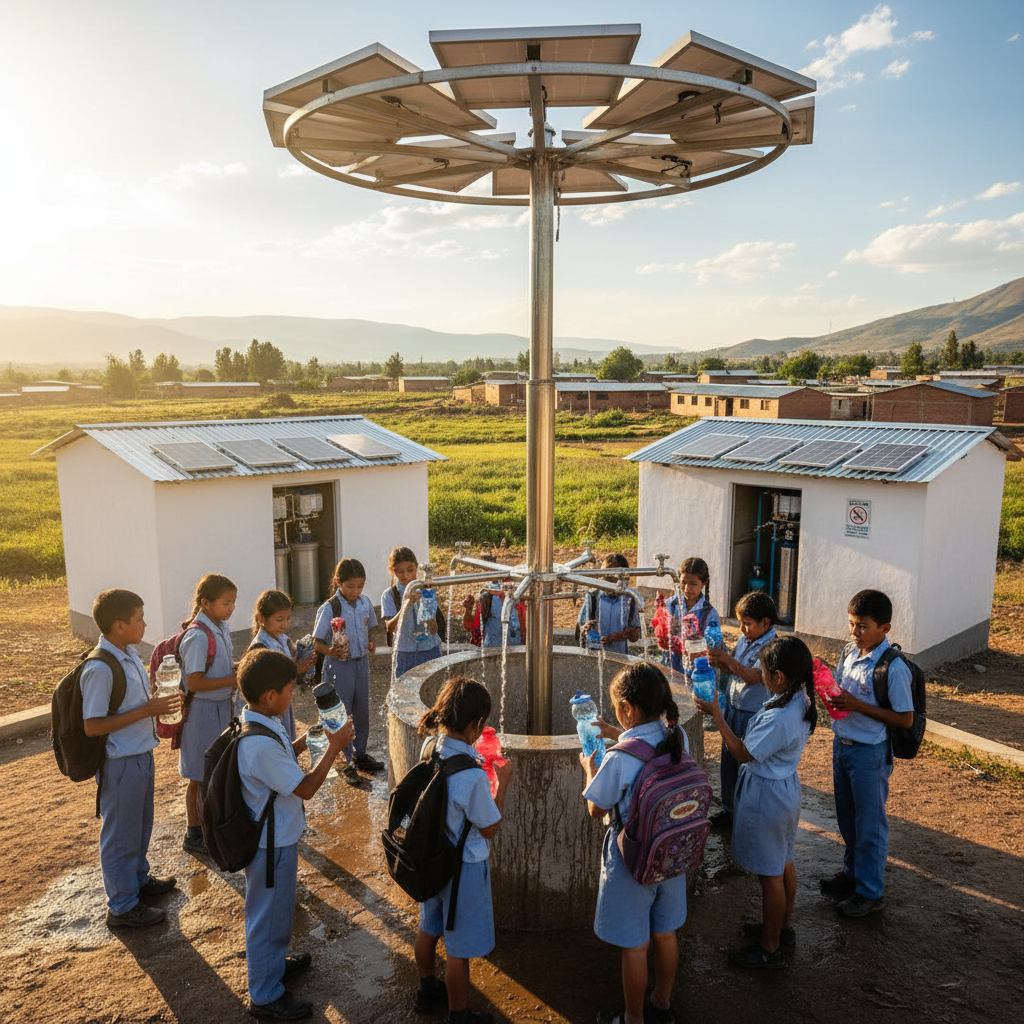
Girls Back in School
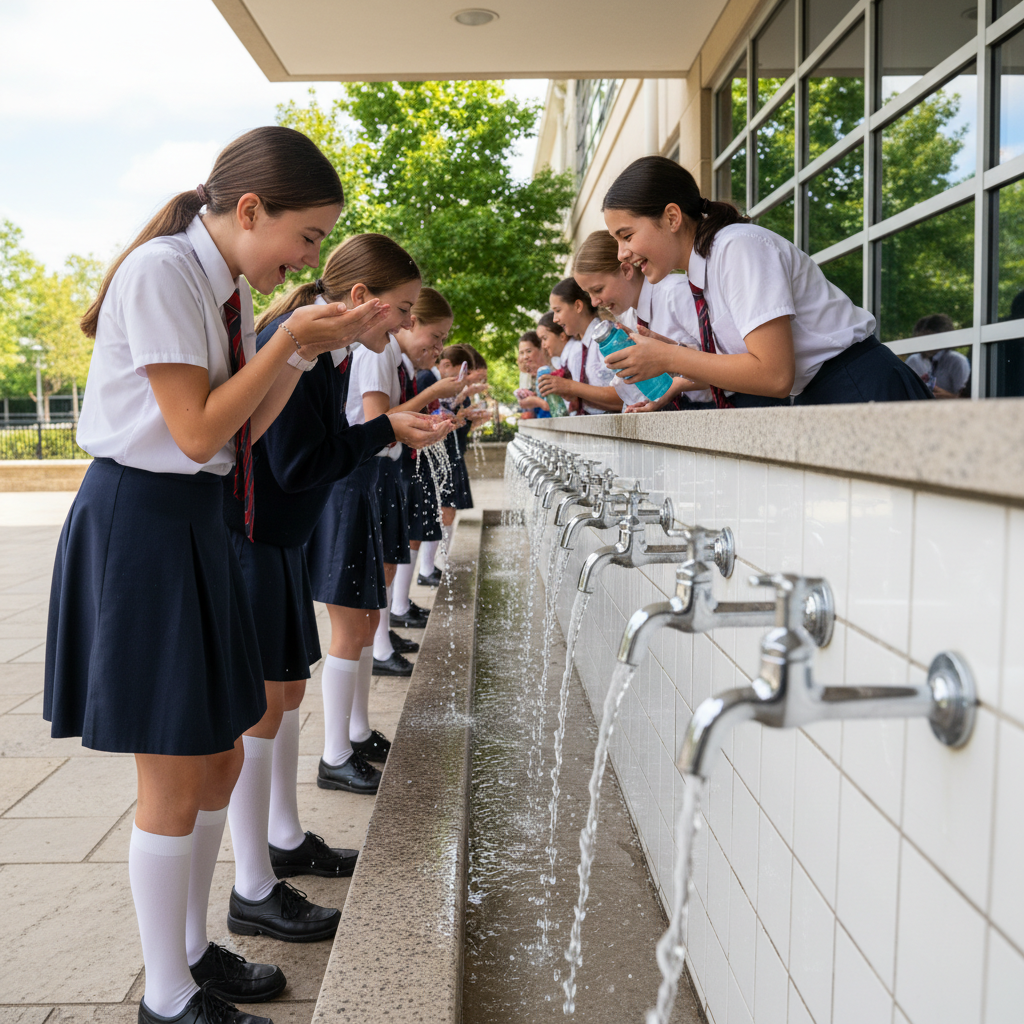
In Mondulkiri Province, Cambodia, school attendance among girls aged 10–14 rose 34% in the two years following Wellspring's installation. When water is close, education becomes possible.
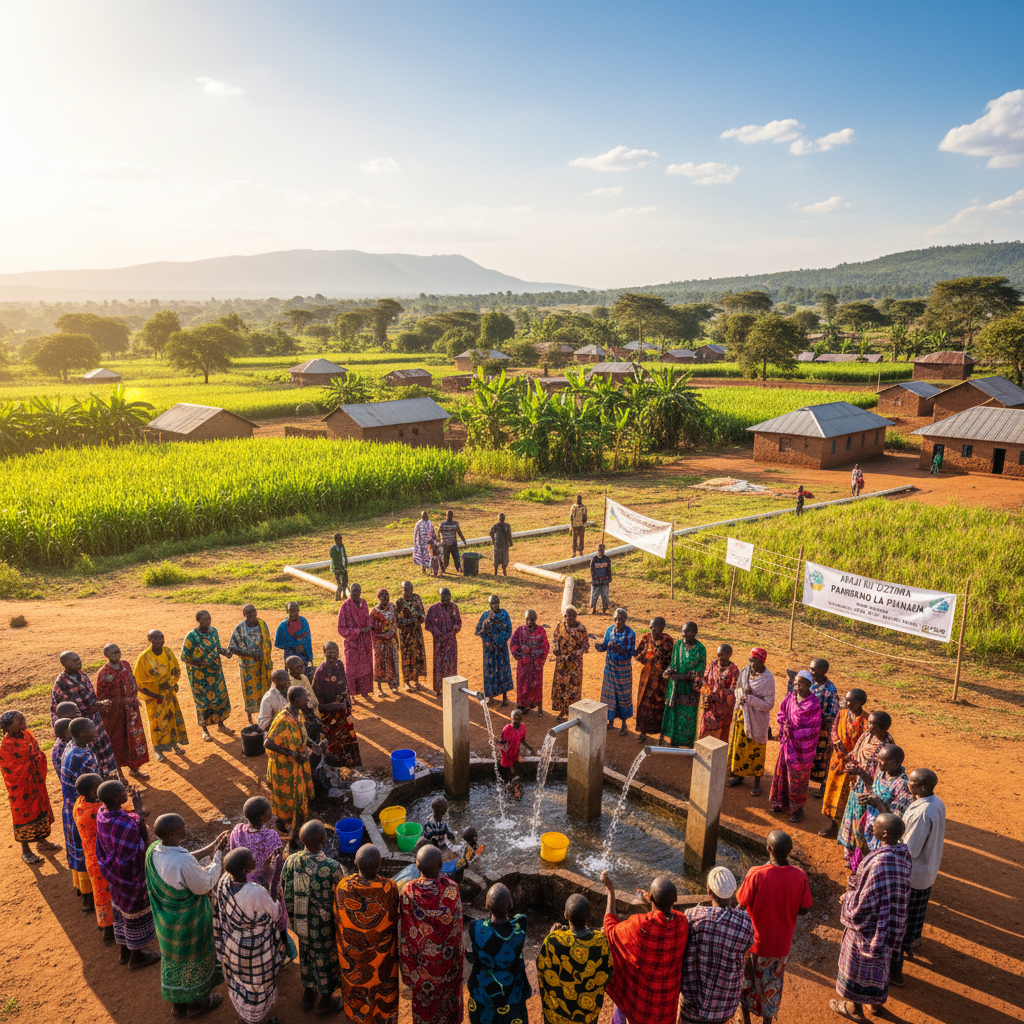
One Borehole. Four Villages. One Committee.
In Dodoma Region, Tanzania, a single deep borehole with a solar pump now serves 4 villages and 2,800 people. The inter-village water committee — 12 members, 6 of them women — has not missed a maintenance cycle in three years.
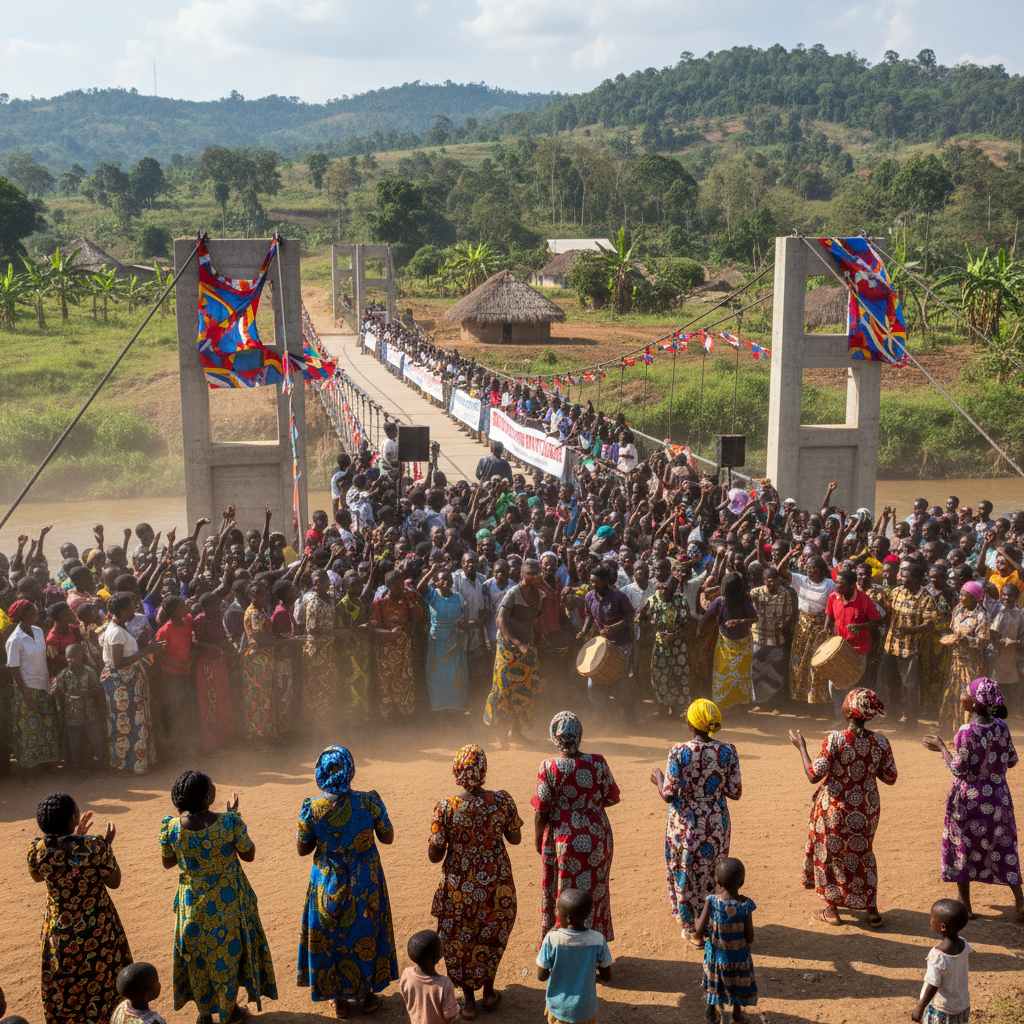
Diaspora Giving That Hits Home
The Mekong Valley Fund, formed by 42 Cambodian-Americans in Long Beach, pooled $18,000 to drill two boreholes in their grandparents' home province. Both systems are operational. Both communities send photos every month.
Stories that hold water.
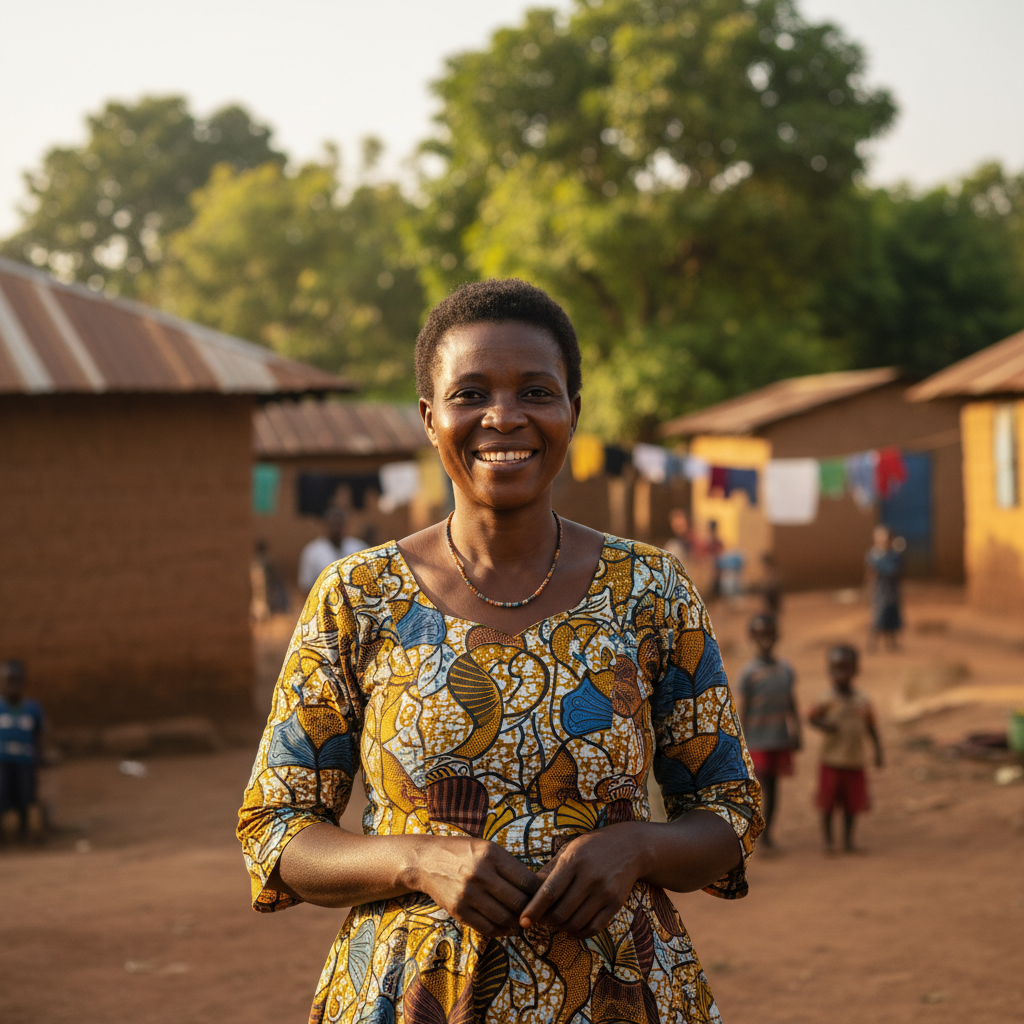
Sikasso Region, Mali
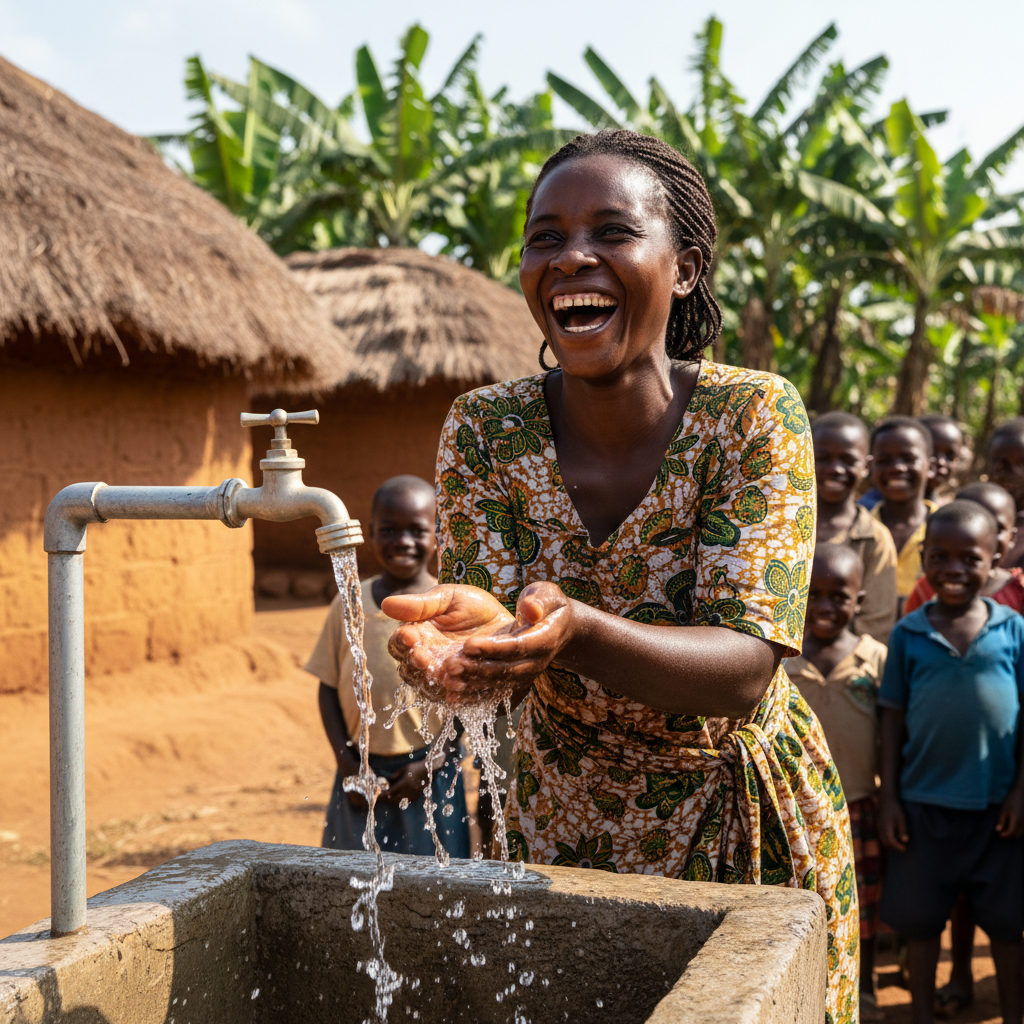
"I used to walk four hours every morning. My daughters walked with me because I was afraid to go alone. Now the tap is 200 metres from our door. My youngest started secondary school last year. She wants to be an engineer."
Fatima Coulibaly
Village Water Committee Chair